Kępno 2026-04-21
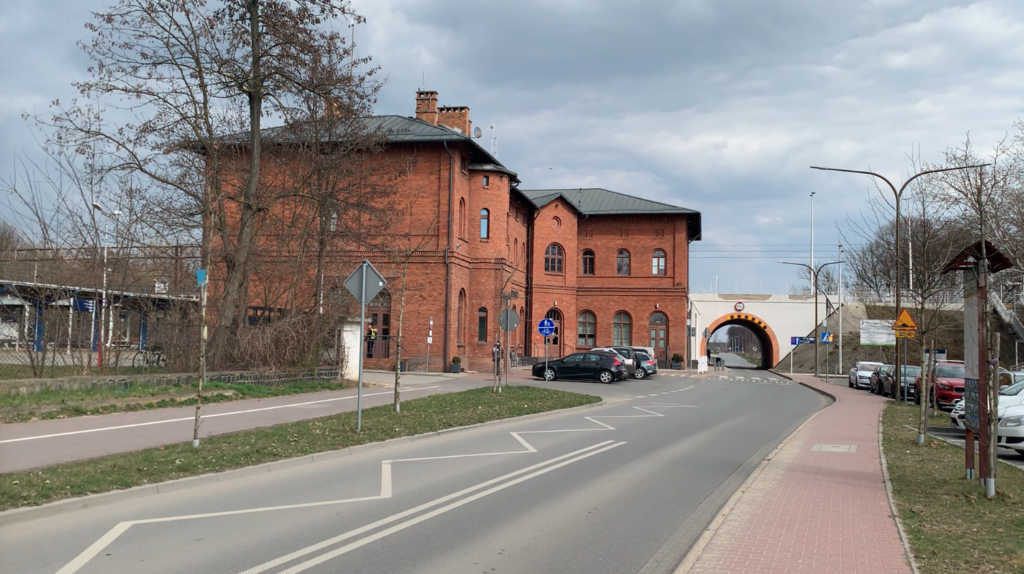
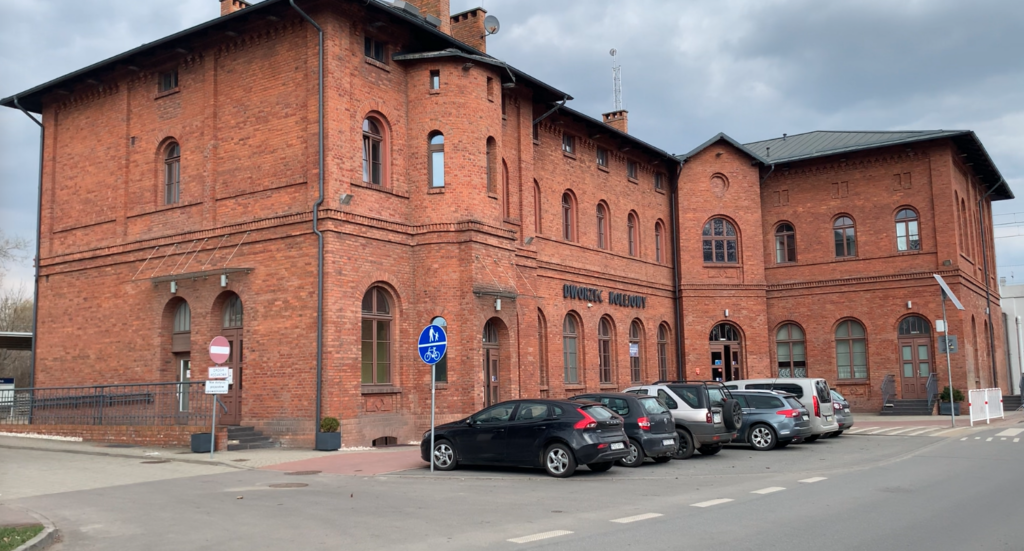
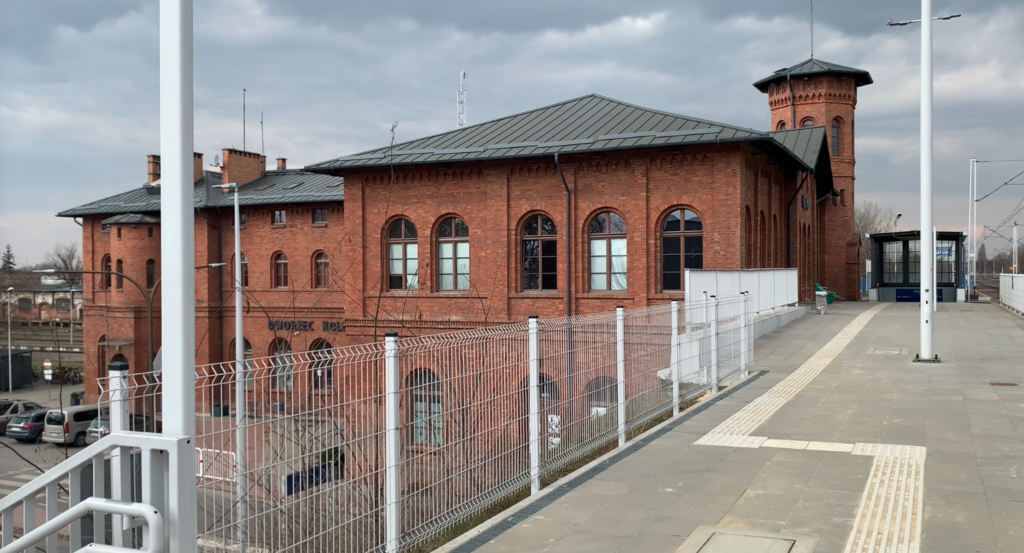
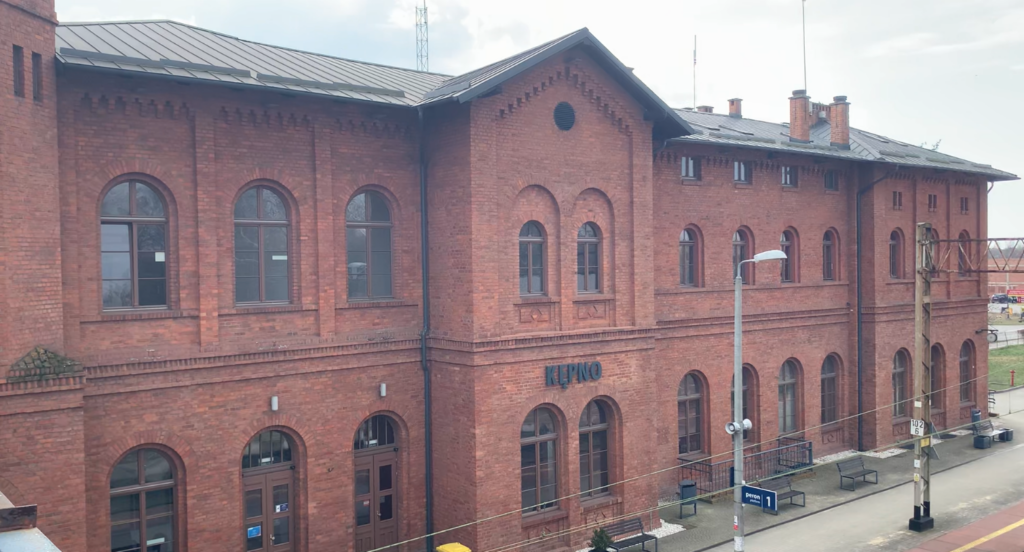
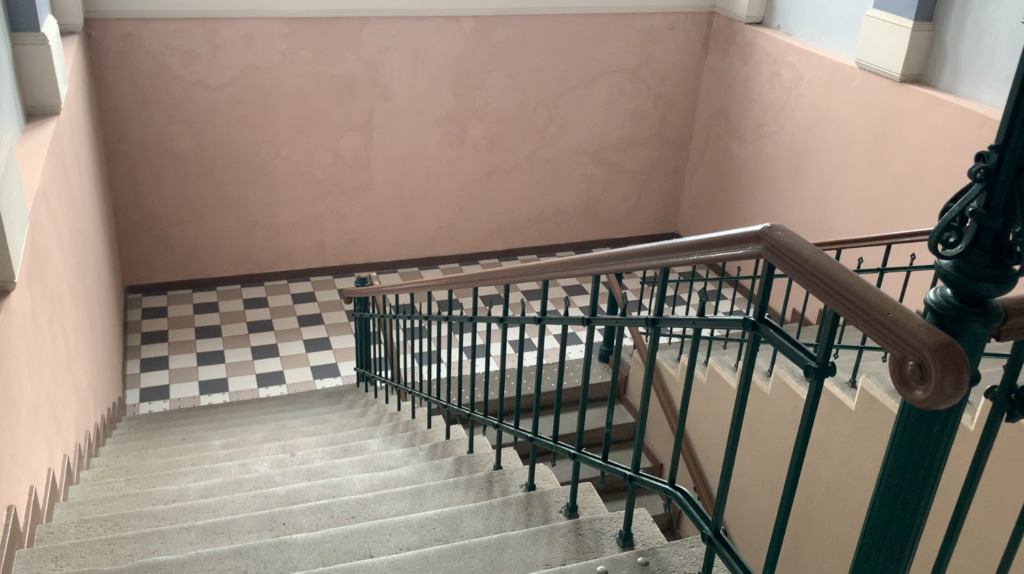
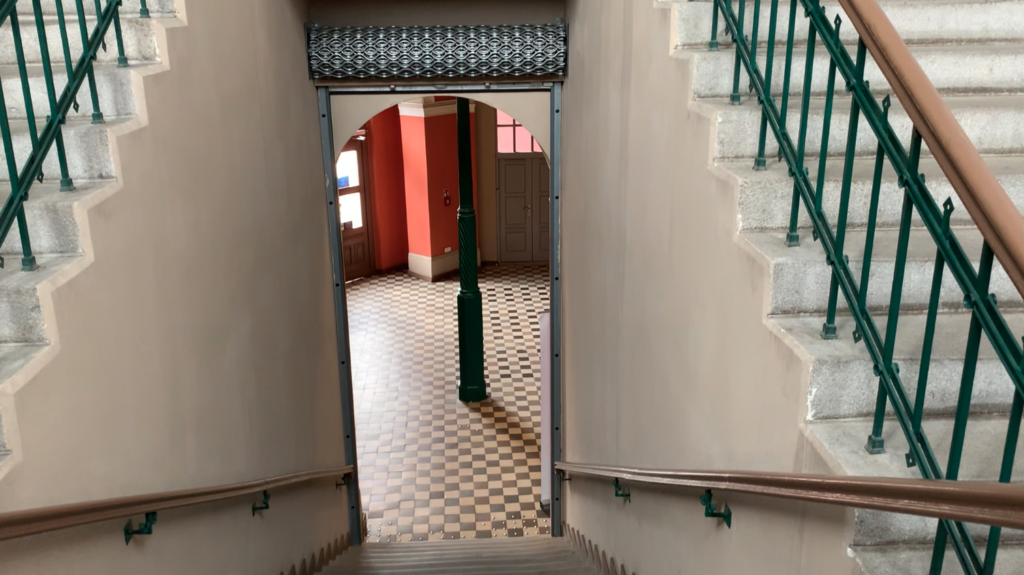
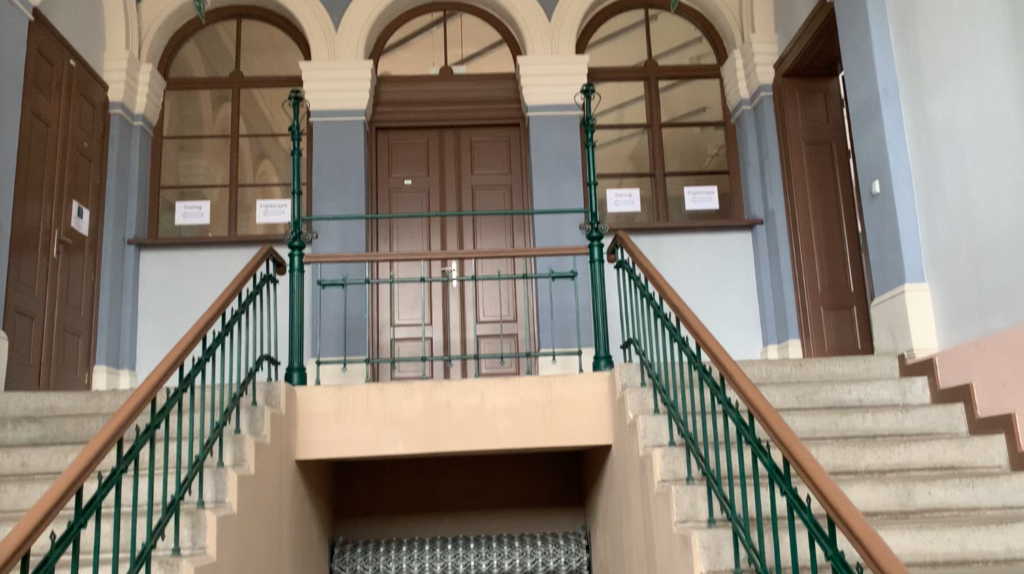
Kępno Railway Station.
Address; Dworcowa Street 11, 63-600 Kępno, Poland. Geographic coordinates: 51.291N 18.000E. Elevation: 172 m.
Kępno is a railway junction, where railway lines No. 272 Poznań Główny – Kępno – Kluczbork, No. 181 Herby Nowe – Oleśnica, and No. 307 Kępno – Namysłów (temporarily closed) intersect. The town has a functioning railway station, as well as the closed Kępno Zachodnie station, located at railway line No. 307.
Kępno is a junction station in Kępno, in the Greater Poland Voivodeship, Poland. According to the Polish State Railways (PKP), it is classified as a local railway station. The station is one of only two double-deck railway stations in Poland. One is Kępno, and the other is Kostrzyn nad Odrą. Both stations were built during the partition period, and both stations were under German rule. Kępno railway station is located north of the city center, 1,900 meters away.
On April 20, 2026, 29 passenger trains departed from the station. They served the following stations: Kluczbork, Konin, Kraków Główny, Łęka Opatowska, Ostrów Wielkopolski, Poznań Główny, Szczecin Główny, and Zakopane. Currently, the station has four platforms and five platform edges. Platform 1 is located at the bottom of the station building, has a single edge, and is 200 meters long. Platform 2 is an island platform, 385 meters long, and has a 30-meter-long roof. Platforms 3 and 4 are at the top and have been renovated in 2023. They are 306 m long. In 2023, the stairs from Platform 3 to Platform 1 were also renovated.
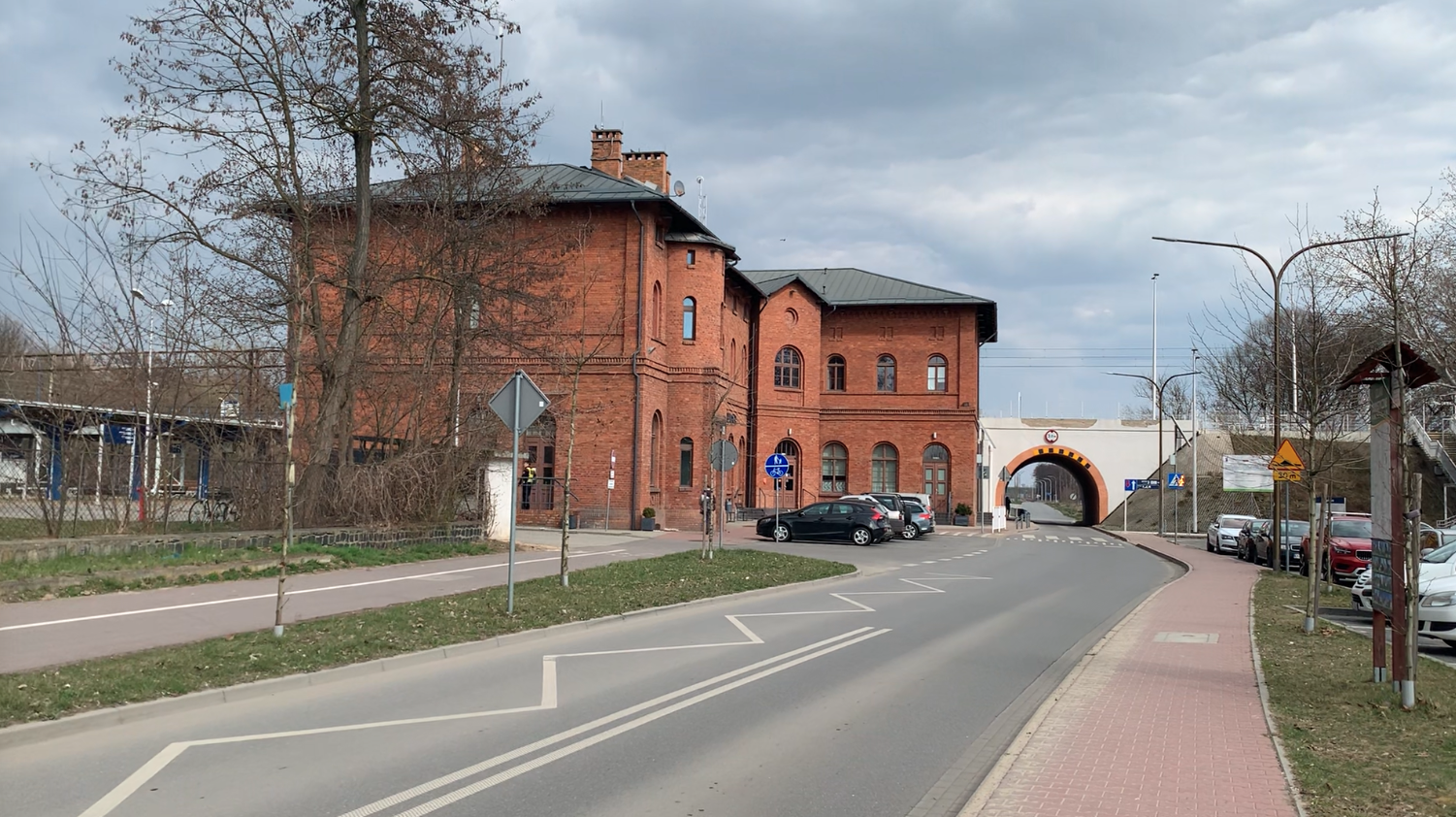
The station building is one of the most interesting. It’s attractive inside and out. The ticket offices are closed. There’s no food service, but a McDonald’s restaurant is nearby. The building contains waiting rooms and restrooms. Toilets are pay-per-use. The safety of passengers and property is ensured by SOK staff. These staff have service and staff rooms in the building. A beautiful staircase provides access between the lower and upper levels. There are also stairs outside, as well as elevators for passengers in wheelchairs, with small children, or large luggage. Dworcowa Street runs in front of the station building, crossing LK No. 272 on a narrow brick viaduct under the tracks, with a single lane in each direction. A parking lot for passenger cars is located on the street’s southern side.
The railway line to Kępno was built in conjunction with the project to build the Wrocław-Warsaw railway line, another line of friendship between Germans and Russians. The Germans built the Oleśnica-Podzamcze (Wieruszów) section. On the other hand, the Muscovites did not build the line from Wieluń to Warsaw. The Germans built their section in 1872. In 1875, the Kluczbork-Poznań railway line was opened. The two lines intersected at right angles (one at the bottom, the other at the top) in the center of the station. The first station at Kępno was wooden. In 1890, the decision was made to build a new brick station. The station was designed as a two-wing, two-story building. Each wing is parallel to a railway line. Virtually every facade is representative. On October 2, 1911, the Kępno-Rychtal line, 28 kilometers long, was opened. Already during the reborn Polish-Lithuanian Commonwealth (1926), the Herby-Podzamcze railway line was built. The construction of this railway line was a result of Poland’s customs war with the Germans. Thanks to the Herby-Wieluń-Wieruszów-Kępno-Ostrów Wielkopolski railway line, coal wagons from Silesia bypassed Germanic territories.
In September 1912, a fan-shaped locomotive shed was built at Kępno station, which operated until 1992. In 1995, the structure was demolished. The shed had three stations and an annex. There was also a locomotive turntable. The station also housed a locomotive shelter, which is currently (2026) a residential building. In 2021, the signal box, located at the level crossing along Solidarności and Poznańska Streets, was renovated.
The KTk48-130 steam locomotive was associated with Kępno station for 61 years. In 1992, the locomotive was removed from the register. The locomotive was placed as a technical monument at Kępno station. In 2017, the locomotive was transported to Poznań, renovated as a monument, and in 2018, placed in Rataje Park in Poznań, where it remains a historical landmark next to the restaurant car.
In the 1960s, plans were made to expand the station and the station building. The following were planned: extending the western wing westward, remodeling the rooms, changing the window openings, and plastering the entire building. These plans were never implemented.
In 2012-2013, a general renovation of the station was carried out, which included the renovation of the brick facade and interior. The facility was adapted to the needs of disabled people. In 2022, the station’s upper platform was renovated.
The Kępno railway station building is one of the most architecturally interesting railway buildings in Poland, both in terms of its structure and details. It was built between 1890 and 1894. It represents so-called brick architecture (Rundbogenstil). Unplastered red ceramic bricks were used for construction. The style does not refer to any particular era. The building was intended to be functional above all.
The Kępno railway station building is built on an L-shaped plan. The northern façade is 37 meters long, while the eastern façade is 27 meters long. The building is two-story, with a partial basement and an attic, where rectangular windows are placed in the knee wall. The front of the building faces the driveway, with a corner main entrance. The main entrance is located in a corner projection and is accessed by stairs. At the very top is a rose window that once housed a round clock. The doors are double-leafed. There are a total of eight entrances to the building, most of which are service entrances. The building’s front has 12 axes. The entrance in the western part of the front is also interesting. The entrance is located in a tower-like structure: semicircular, with narrow windows. The lower windows are large and topped with full arches. The upper windows are smaller, but identical in design. The walls feature decorative elements, including cornices, pilasters, and window surrounds. A black illuminated sign reading “Dworzec Kolejowy” (Railway Station) is placed on the building’s facade. Lighting is also installed on the building’s walls, enhancing the building’s beauty.
The western wall has two entrances and two windows, one each on the first floor and the attic. The southern wall has two windows on the ground floor and one entrance. The first floor has five large windows. The eastern facade adjoins Platform 3. It features seven large windows, one entrance, and a corner tower. Three windows are located in a projection. Above the windows is a black illuminated sign reading “Kępno.” Above it is a rose window, where a clock originally stood. The wall features cornices, pilasters, and window surrounds. Lighting also enhances the building’s beauty. The corner tower faces Platforms 1 and 3. The tower houses an elevator. The tower is octagonal and has narrow windows and cornices. A smaller tower, which no longer exists, was previously attached to the tower.
The northern wall has 12 axes. There are two entrances from Platform 1, as well as a descent to the basement rooms. The wall features two avant-corps. The main avant-corps, which is two-axis, features a black illuminated “Kępno” sign. Lighting also enhances the building’s beauty. As with other walls, there are cornices, pilasters, and window frames. A double-sided clock with white dials hangs in the corner of the building. All windows and doors are brown. The main entrance door opens automatically.
The roof is essentially a gable roof, with a slight slope, covered with gray sheet metal. There are also elements of a swallow-shaped roof covering. The western part of the roof contains several chimneys and ventilation shafts. The roof edges are terminated by gutters and downpipes for storm sewers.
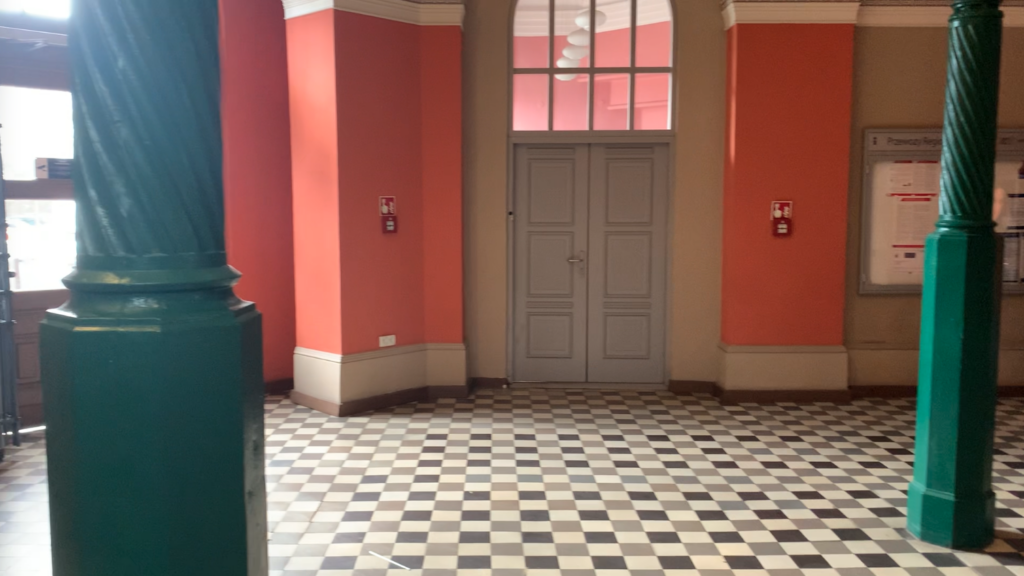
The focal point of the interior is a hexagonal hall with ticket offices at the junction of the two wings. The ticket offices are closed because a ticket machine from the Greater Poland Railways has been installed. Cast iron pillars supporting the ceiling are located in the center of the hall. In the second half of the 19th century, cast iron structures were very popular and fashionable. The height of the lower level was adjusted to the height difference between the upper and lower tracks. Inside, there is a representative staircase leading from the hall to the upper level. The stairs are concrete, with metal balustrades, and the rest areas and corridors are tiled with terracotta. The walls are plastered and painted in various colors, creating a very representative staircase. The passages between the rooms are topped with arches.
Initially, the building housed ticket and baggage offices, waiting rooms/restaurants, staff rooms, a telephone exchange, and a telegraph office. Later, a post office was also built. There were apartments for the stationmaster and, most likely, the restaurateur. Currently, in 2026, the building has a waiting room, a ticket machine, a drinks vending machine, coin-operated toilets and rooms for SOK employees.
Written by Karol Placha Hetman