Zelczyna 2026-11-12
Zelczyna
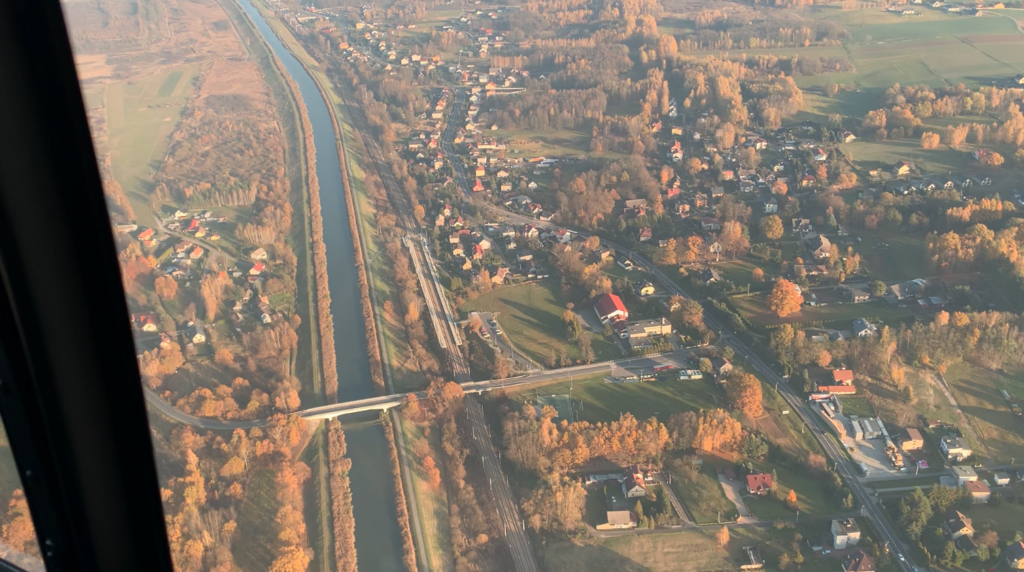
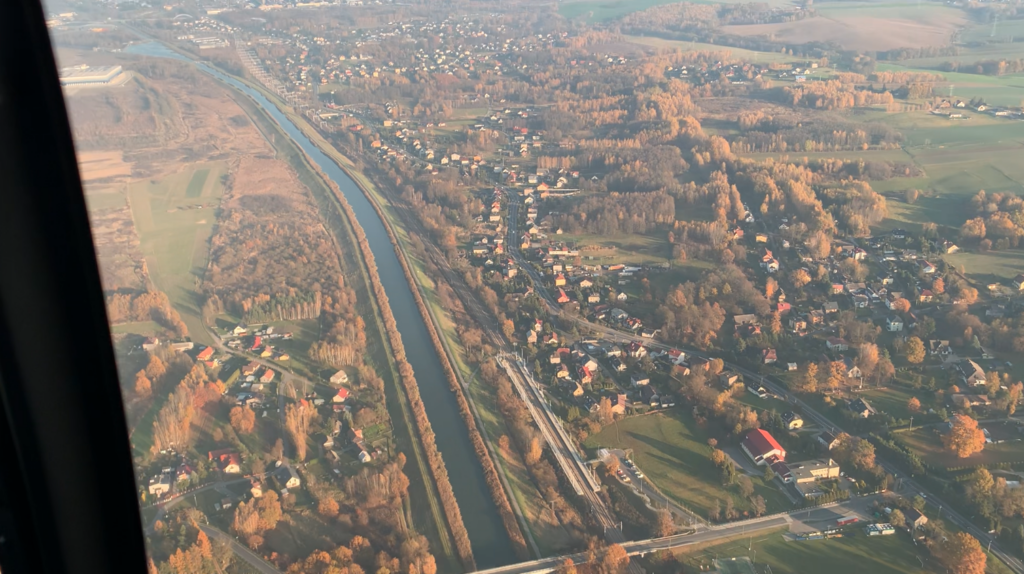
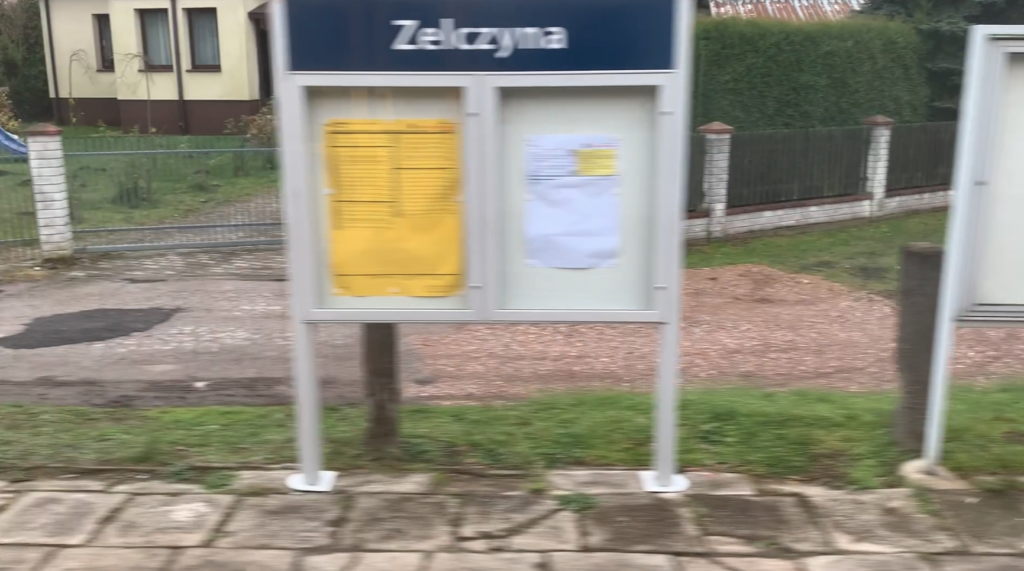
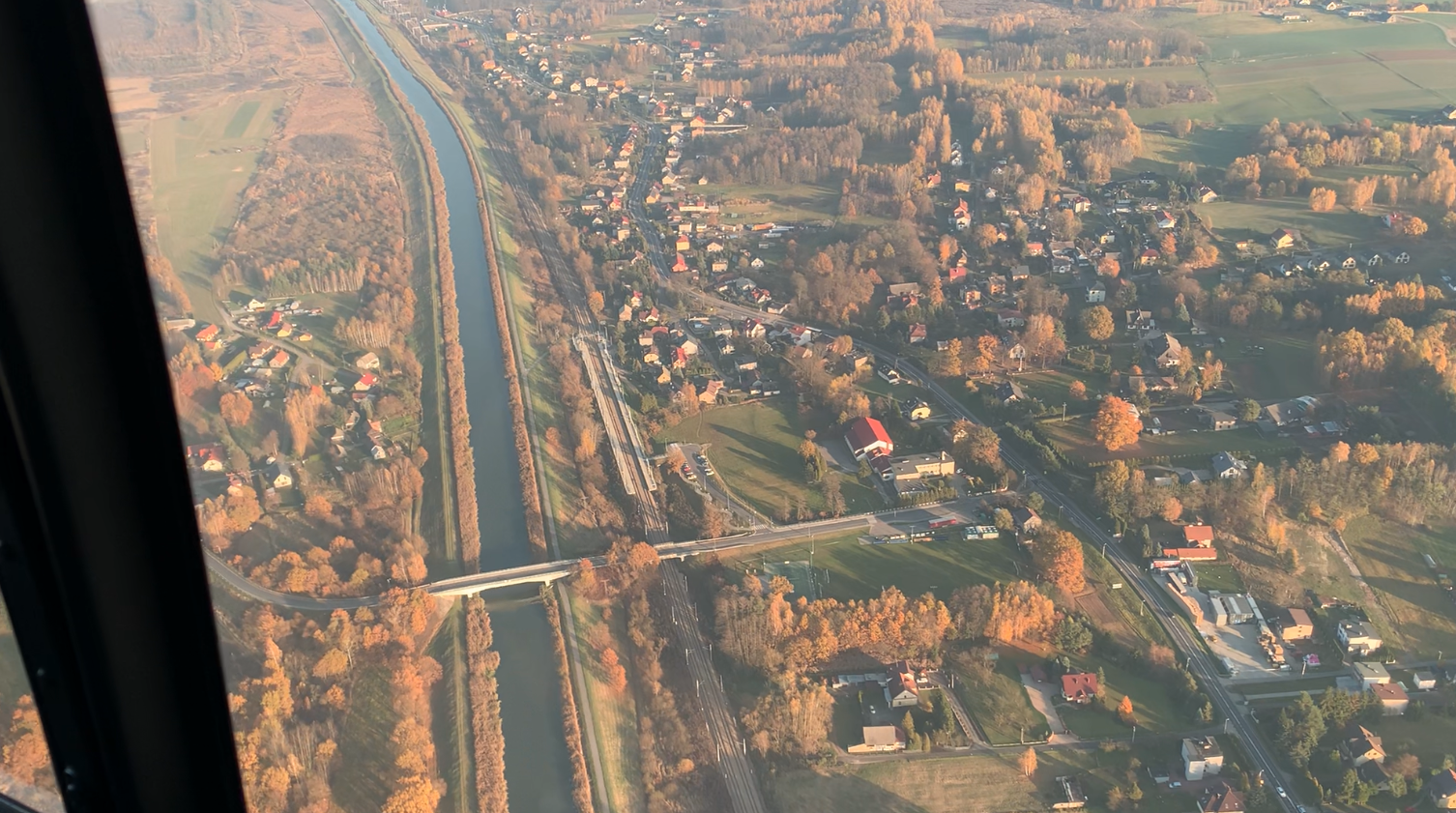
Zelczyna is a picturesque village in Poland, located in the Lesser Poland Voivodeship (Województwo Małopolskie), within the Kraków County and the Skawina Municipality. National Road No. 44 runs through the village, providing good connections to Skawina and Kraków. The road is a single-carriageway, two-lane route; it is winding but features an excellent road surface. Another way to reach Skawina and Kraków is via the Oświęcim–Skawina–Kraków railway line. The local stop is situated between the Podbory Skawińskie stop (on the Skawina side) and the Wielkie Drogi stop (on the Wielkie Drogi side). As of 2026, 38 trains depart from the Zelczyna stop, operated by the carrier Koleje Małopolskie (KMŁ). Direct connections are available to stations including Kozłów, Kraków Główny, Kraków Nowa Huta, Miechów, Oświęcim, and Sędziszów.
Geographical coordinates: 49.9602N 19.7477E. The population of Zelczyna is approaching 1,000 residents. According to the national census, the village had 999 inhabitants in 2021. Of this total, 52.4% were women and 47.6% were men. The postal code is 32-051, and the vehicle registration prefix is KRA. Both the municipal authorities and the local residents are actively involved in the development of the village (notably through the Zelczyna Village Development Plan). The village stretches along National Road 44 (DK 44), the railway tracks, and the Łączany-Skawina canal. The Łączany-Skawina canal is fed by water from the Vistula River and supplies water to the Skawina Combined Heat and Power Plant. The Walery Goetel Primary School is located within the village, as is a manor house dating back to the late 19th century. Walery Florian Goetel (born April 14, 1889, in Sucha; died November 6, 1972, in Kraków) was a Polish geologist, ecologist, paleontologist, professor, and social activist. Roman Catholic residents belong to the Krzęcin parish. Between 1975 and 1998, the village was part of the Kraków Voivodeship. From 1998 to 2021, the population grew by 33.6%—a notably high rate for that period in Poland. This growth is driven by migration, primarily from Kraków, as people sought locations where the cost of purchasing land for home construction was more affordable. In Zelczyna, 64.8% of the population is of working age, while 17.6% are children and young people, and another 17.6% are retirees and pensioners. As of 2002, there were 308 households in the village of Zelczyna. Nearly 50% of households were engaged in agriculture, and a significant proportion of the inhabitants were part-time farmer-workers.
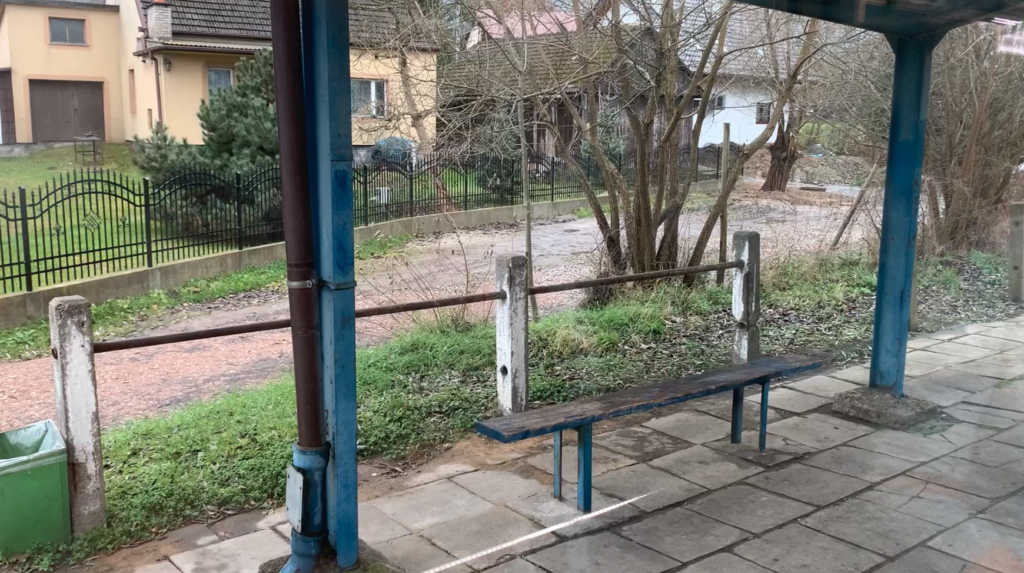
Zelczyna railway stop.
Geographical coordinates: 49.961N 19.746E. Elevation: 214 m.
The railway stop is located on railway line No. 94 (Kraków Płaszów – Oświęcim) at the 21.400 km mark. Its address is Zelczyna 17, 32-051 Zelczyna—a local road now known as Kwiatowa Street. The platforms are situated just 100 meters from Krakowska Street (national road DK 44). Nearby runs Szkolna Street, which connects Krakowska Street (DK 44) to the northern part of the village, beyond a water canal. Szkolna Street crosses over the railway line via an overpass and spans the water canal via a bridge. A side road branching off from Szkolna Street leads to a parking area with space for over a dozen passenger cars—including two designated accessible parking spots—as well as a bicycle shelter. This parking area is located near the western end of the railway stop. From the parking area, there is access only to Platform 2. Access to Platform 1 is provided at track level, located at the eastern end of the stop. Platform 1 serves trains heading toward Oświęcim, while Platform 2 serves trains heading toward Skawina. The stop features two single-edge platforms positioned opposite each other, each 200 meters in length. The most recent renovation of the stop was completed in 2022, during the comprehensive overhaul of railway line No. 94. Two shelters have been installed on each platform. Until the First World War, the line was single-tracked. It bore the number 417 and ran from what was then the Podgórze station, through Skawina, to Oświęcim. At that time, there was already a branch line extending from Skawina to Kalwaria Zebrzydowska and further south. There was also a single-track line running north-to-south between Trzebinia and Wadowice, which intersected with the Kraków–Oświęcim line at the Spytkowice station. As an interesting detail, it is worth noting that at that time, the Vistula River was referred to by its Germanic name, “Weichsel.”
Historically, the Zelczyna stop was established around 1915 as a freight loading point. A siding, a warehouse, and a small building containing a ticket office and a waiting room were constructed. By the time of the Second World War, the line had become double-tracked. The platforms were rebuilt and surfaced with concrete paving slabs. Benches, trash bins, and two shelters—designed to provide protection from rain and snow—were installed. There was also a display case for train timetables. Until 1989, passenger rail traffic was relatively high. Following the socio-economic transformations, passenger numbers gradually declined as travelers switched to private cars or privately operated minibuses.
Around 1995, the ticket office was closed, and a few months later, the entire building was shut down, subsequently falling into disrepair. The structure suffered from acts of vandalism, while weather conditions further accelerated its deterioration. In 2011, the building was demolished.
It was not until the tenure of the United Right government that rail transport began to see a revival. A period of revitalization commenced, encompassing railway lines, connections, stations, and stops. This revitalization of Line No. 94 began with the section between Kraków Płaszów and Podbory Skawińskie, followed by the renovation of the section between Podbory Skawińskie and Oświęcim. Following these upgrades, passenger trains began stopping at the Zelczyna station once again, starting on October 1, 2022. Railway line No. 94, running from Kraków Płaszów to Oświęcim, can be described as the Galician Vistula Railway. The tracks never stray more than 6 km from the Vistula River, with the greatest distance occurring near the Kraków Sidzina passenger stop. The line was intended to shorten the route between Vienna and Lviv, bypassing Kraków entirely. It should be remembered that during the second half of the 19th century—a period when Poland was partitioned—the Austrian authorities frequently humiliated Kraków. They treated Wawel Castle as a fortress, military barracks, and a field hospital, ultimately leaving it in a state of ruin.
Railway line No. 94 (Kraków Płaszów – Oświęcim) follows a north-south orientation. Spanning 64.502 km, it is a double-track line electrified with a 3 kV DC system. In 1918, the line became part of the newly reborn Polish state. It first opened in 1884; on August 1 of that year, the inaugural train traveled the route from Podgórze (a historic site, now the area of former quarries) to Oświęcim. From the outset, the line utilized standard-gauge tracks (1,435 mm). Supporting infrastructure—such as station buildings, water towers, and level crossings—was constructed a few years later. During the First World War, the alignment of the tracks in Kraków was altered near Lanckorońska Street. The original track followed the path of what is now Lanckorońska Street but featured a steep gradient, necessitating a reconstruction of that section. In 2017, the number of tracks between Kraków Płaszów and Kraków Bonarka was reduced from two to one, in connection with the construction of connecting line No. 624 and the reconstruction of connecting line No. 603.
The electrification of the line was carried out in two stages: on October 30, 1970, for the section between Kraków Płaszów and Spytkowice, and on September 9, 1971, for the section between Spytkowice and Oświęcim.
Railway Line No. 94 is of national significance, primarily for freight traffic between the Silesia region and Kraków. From the year 2000, passenger traffic on the line began to decline, particularly on the section between Skawina and Oświęcim. The Kraków Płaszów – Skawina segment remained important, as it connects to Railway Line No. 97, which leads toward Zakopane. The last passenger train to traverse the entire length of Line No. 94 in 2014 was an international InterRegio service running from Kraków to Ostrava in the Czech Republic, following the route: Kraków – Skawina – Oświęcim – Czechowice-Dziedzice – Zebrzydowice – Ostrava. In 2015, passenger services between Kraków, Skawina, and Oświęcim were reinstated; however, a year later, they were suspended once again due to the poor condition of the tracks and long travel times. Following the completion of renovation work, passenger services were restored at the end of 2022.
On Sunday, September 8, 2024, a “retro” train traveled along the route to mark the 140th anniversary of Railway Line No. 94. The train was hauled by a Ty42-107 steam locomotive and an EP07-201 electric locomotive, pulling five historic passenger carriages. The train was assembled by the Chabówka Railway Museum (Skansen Chabówka). Railway Line No. 94 features 4 bridges, 5 viaducts, and 10 railway culverts. All of these structures underwent renovation between 2017 and 2024. The first bridge is located in Kraków, crossing the Wilga River; it was reconstructed as part of the construction of the Łagiewnicka Route (a major urban arterial road). Before the Skawina Jagielnia stop, the line crosses the Rzepnik River. Beyond Skawina station, there is a three-track bridge over the Skawinka River—the third track serving Railway Line No. 97, which heads toward Kalwaria and Zakopane. Past the Zelczyna stop, the tracks cross the Zelczynka River, and beyond Wielkie Drogi station, they cross the Sosnowianka River. Further on, past Spytkowice station, the tracks cross the Skawa River. Beyond the Włosienica stop, there is a bridge over the Macocha River, and within the city limits of Oświęcim, the line crosses the Soła River.
In 2017, a long-distance InterCity train operated along the route: Warsaw – Kraków – Skawina – Oświęcim – Dziedzice – Vienna. There was also a service running from Przemyśl via Kraków, Trzebinia, and Oświęcim to Prague. These connections were suspended due to renovation work on Railway Line No. 93 (between Trzebinia and Czechowice-Dziedzice) and the modernization of the Dziedzice railway junction. While these major renovations were completed in 2024, further minor upgrades are planned, covering platforms, bridges, culverts, and level crossings. Currently (as of 2024), speed limits of 120/80/60 km/h apply on Railway Line No. 94, depending on the specific section. Passenger services on this line are operated by Koleje Małopolskie. The route hosts the SKA2 (Rapid Agglomeration Railway) line, which runs along the Oświęcim – Skawina – Kraków Główny – Miechów – Sędziszów corridor.
In 2022, a tender was concluded for renovation work on the section between Podbory Skawińskie and Oświęcim. The tender, which covered the preparation of design documentation and the execution of construction work for the Podbory Skawińskie – Oświęcim section—part of the broader modernization of Railway Line No. 94 (Kraków – Oświęcim)—was announced in April 2022. Ten companies submitted bids, with the contract ultimately awarded to the Railway Infrastructure Repair and Maintenance Enterprise in Kraków (Przedsiębiorstwo Napraw i Utrzymania Infrastruktury Kolejowej w Krakowie – PNiUIK). Price was one of the selection criteria, and PNiUIK offered a gross total of 113,697,900 PLN for the project—a figure below the estimated cost of 117,443,576.63 PLN (gross). The project, delivered under a “design and build” contract, included work on the Podbory – Brzeźnica and Dwory – Oświęcim rail segments. Additionally, an old bridge was demolished and replaced with a new railway bridge spanning the Spytkowicki stream (Brzezinka) and Zamkowa Street in Spytkowice. The project was completed in 16 months. In the spring of 2024, passenger train services were restored along the entire route.
As part of the modernization, new platforms were constructed at several locations, including the stations and stops of Podbory Skawińskie, Spytkowice Kępki, Zelczyna, Brzeźnica, Półwsi, and Jaśkowice. Furthermore, the tracks along the Podbory Skawińskie – Brzeźnica section were upgraded. The track substructure was reinforced, the ballast was cleaned, some of the sleepers were replaced, and the curves were realigned. The cost of the work amounted to 14 million PLN. Between 2017 and 2024, 400 million PLN was spent on repairs and modernization of Railway Line No. 94.
Written by Karol Placha Hetman