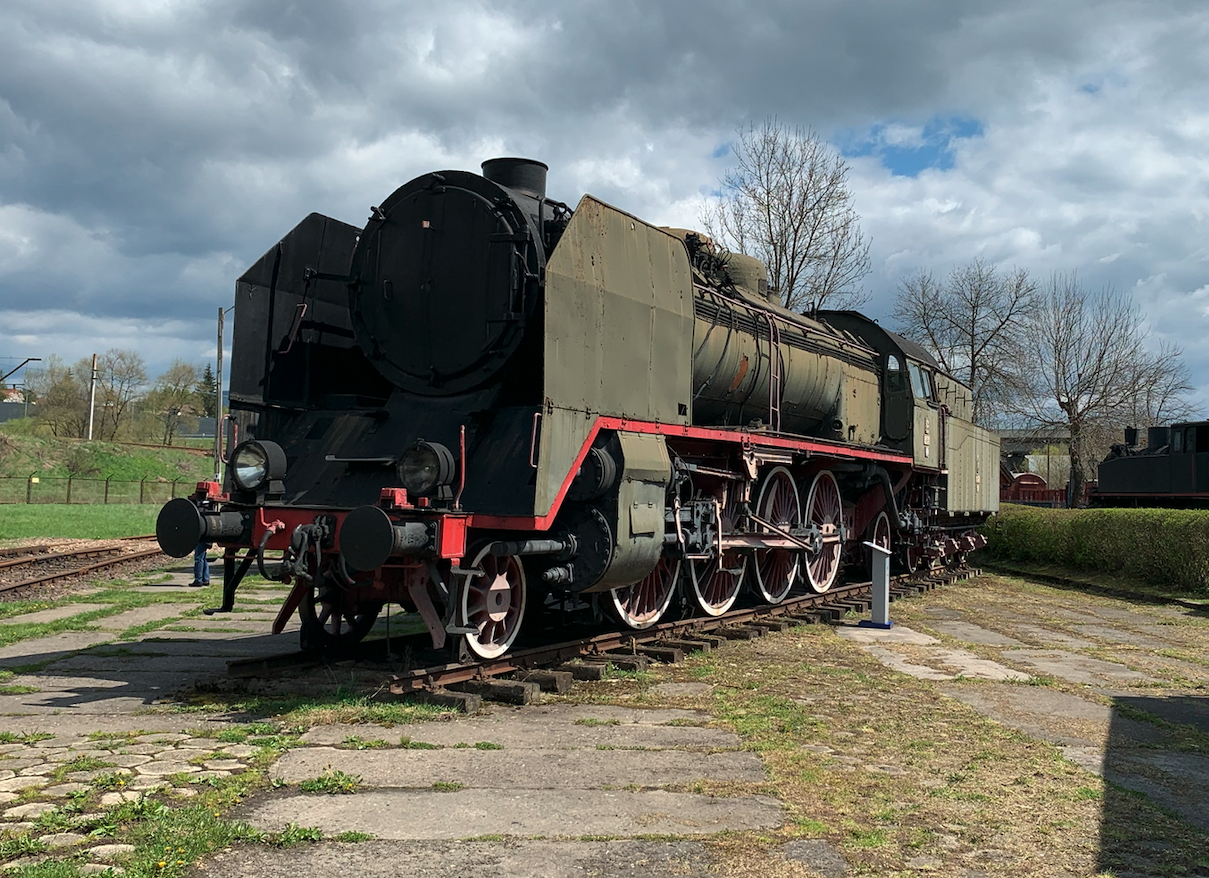
Chabówka 2021-12-31
Polish Steam Locomotive Pt31.
The Pt31 is a Polish steam locomotive designed in 1931, but work on it had been ongoing since 1929. Engineer Kazimierz Zembrzuski headed the design team. The locomotive was designed with a 1’D1′ axle arrangement, and the Polish designation is a lowercase “t,” meaning oOOOOo. The Pt31 designation denotes a fast locomotive with a “t” axle arrangement, designed in 1931.
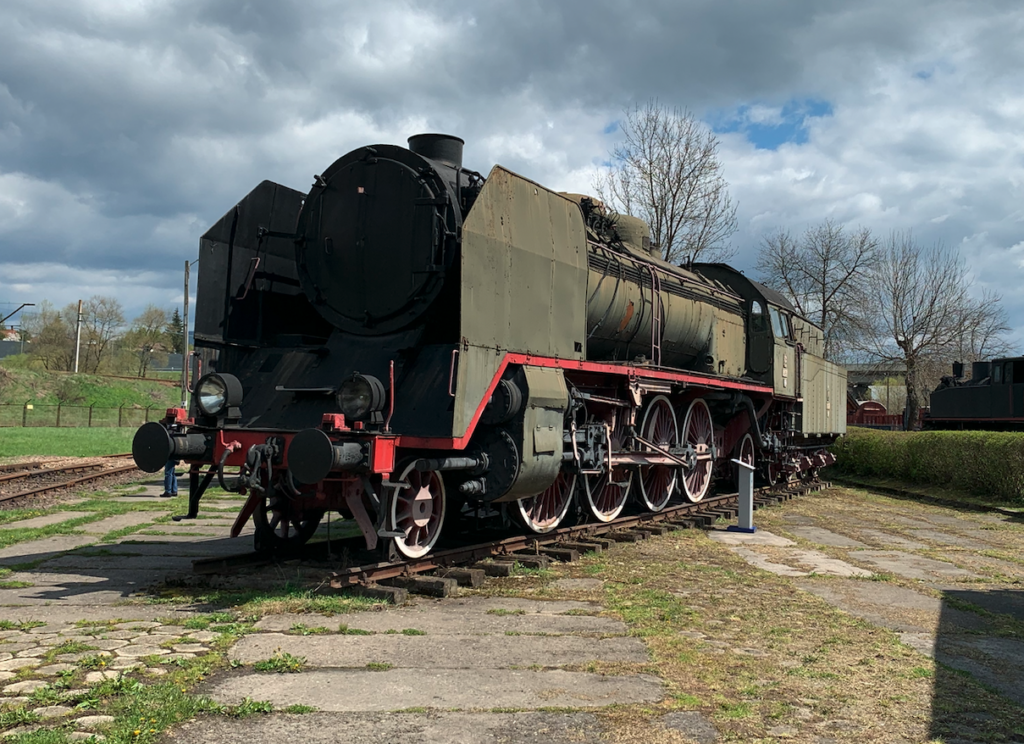
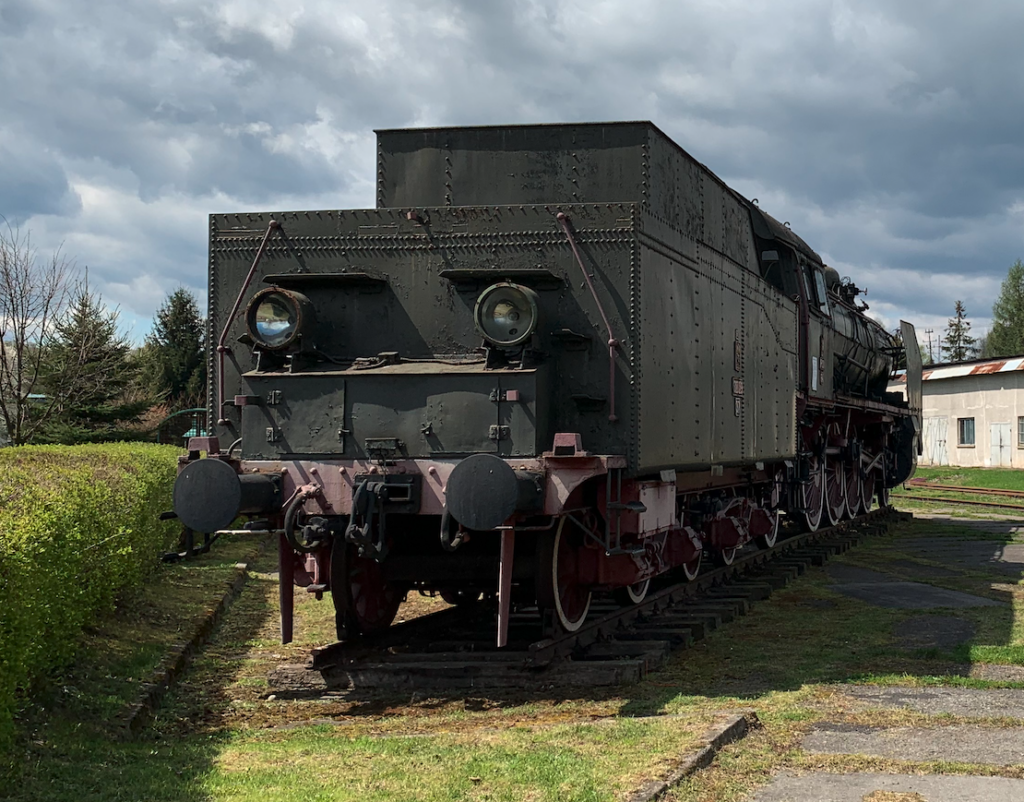
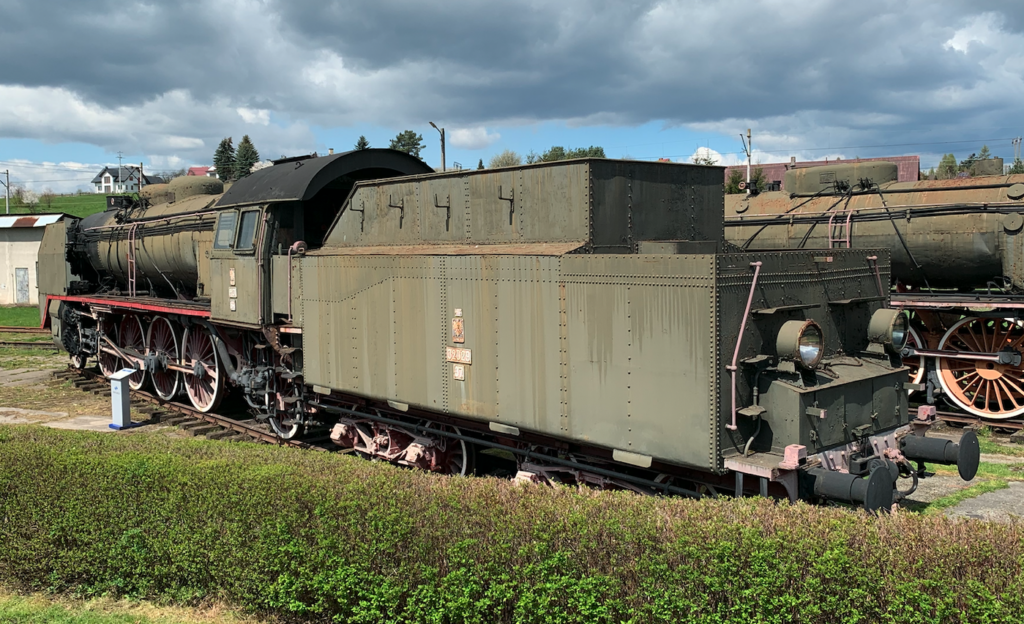
The Pt31 express steam locomotive was designed in the design office of the Chrzanów factory. At the same time, the Pu29 steam locomotive was being developed in Poznań. Engineer Antoni Xiężopolski from the Warsaw University of Technology oversaw both projects (Pu29 and Pt31), ensuring that the new locomotives had as many standardized components as possible.
The Pt31 locomotive was initially ordered by the Ministry of Communications, in a quantity of three. Between October and November 1932, all locomotives were submitted for testing. The locomotives were assigned serial numbers 518, 519, and 520.
Due to the locomotive’s planned high speed, it was desired to achieve the best possible curve clearance. In Chrzanów, a single-axle Krauss-Helmholtz front bogie was chosen. In Poznań, a two-axle front bogie was preferred for the Pu29 locomotive. Both bogies performed well in tests. Ultimately, the Pu29 locomotive received a two-axle front bogie, while the Pt31 had a single-axle front bogie.
Tests of the Pt31 steam locomotive were very successful. On the difficult Strzemieszyce – Skarżysko Kamienna line, the locomotive, carrying a 660-ton train with 15 wagons, achieved an average speed of 57 km/h. The maximum permissible speed on this line was 80 km/h, as the line required repairs.
In another test, on the Warsaw – Poznań line, it reached a top speed of 105 km/h with a 600-ton train. With a 300-ton train, it reached a speed of 110 km/h.Zarówno parowóz serii Pu29 jak i serii Pt31 uzyskały bardzo pozytywne opinie. Jednak do produkcji seryjnej skierowano tylko lokomotywę Pt31. Głównym powodem tej decyzji była długość podwozia parowozów Pu29, która uniemożliwiała obracanie lokomotywy na obrotnicach o średnicy 22 m, a tym samym ograniczająca ich szersze zastosowanie.
Production of Pt31 steam locomotives was established at the “First Locomotive Factory in Poland SA” in Chrzanów. Production of the locomotives began in June 1934. By the time the German army invaded Poland, 98 locomotives had been built. During the German occupation, the enemy ordered the construction of another 12 locomotives from components already produced. The occupier incorporated 54 locomotives into its railways. Most of the locomotives were sent to Germany and Austria. The Russians captured approximately 24 locomotives after September 17, 1939, and began converting them to broad gauge.
After World War II, Poland regained some of the Pt31 locomotives. A total of 64 locomotives were returned to Poland after the war. The Pt31 locomotives were renumbered in Polish. They served with the Polish State Railways (PKP) until the early 1980s. Operational experience has shown that the Pt31 steam locomotive was one of the most successful locomotive designs. A major advantage of the Pt31 steam locomotive was its design features, enabling easy starting and operation of heavy passenger trains, even in very difficult conditions. Based on the Pt31 steam locomotive, the Pt47 steam locomotive was developed in Poland after World War II. Currently (2021), Chabówka operates a Pt31-64 steam locomotive, and Jaworzyna Śląska operates a Pt31-49 steam locomotive.
The Pt31-64 steam locomotive.
The Pt31-64 steam locomotive, serial number 721, was introduced into service in 1938. The locomotive was built and taken over by the Polish State Railways (PKP) as the Pt31-76. The locomotive served with the PKP until early September 1939, when it was seized by the occupying forces. The occupying forces renumbered the locomotive to No. 19 147. After World War II, the locomotive returned to the Polish State Railways (PKP) only in July 1955, and was in a very worn condition. After renovation, it was renumbered Pt31-64. A tender, No. 32D29-37, was attached to the locomotive.
The Pt31-64 was assigned to Inowrocław, then to Olsztyn, Toruń (1957), Iława (1958), Rzeszów (1959), and Kraków (1960). It was then renumbered to Toruń (1964), Olsztyn (1969), Skarżysko-Kamienna, and Zamość, where it was removed from the PKP register in 1979. It was stored as a reserve in case of a “W” (War) disaster. In 1984, it was donated to the Museum in Warsaw. In August 1984, it was repainted at the ZNTK Bydgoszcz. In 1992, it was moved to Chabówka.
Technical specifications of the Pt31 steam locomotive:
Locomotive curb weight: 97,700 kg. Service weight: 106,200 kg. Length: 15.00 m. Length with tender: 23.95 m. Height: 4.55 m. Drive wheel diameter: 1.85 m. Front running wheel diameter: 1.00 m. Rear running wheel diameter: 1.20 m. Boiler pressure: 15 atm. Boiler heating area: 239 m². Superheater heating area: 90.20 m². Grate area: 4.5 m².
The type 32D29 tender is a four-axle unit. The tender carries 32 m³ of water and 10 tons of coal. The total weight of the locomotive with tender is 174,700 kg.
Written by Karol Placha Hetman