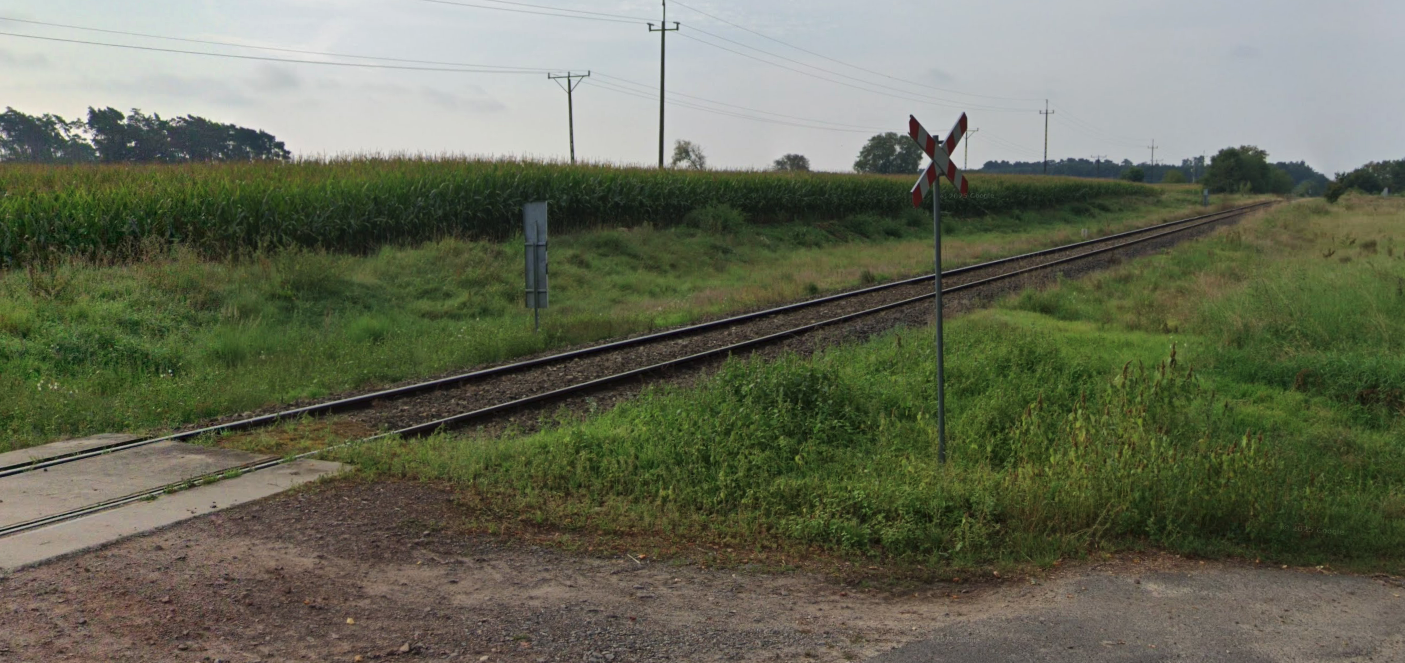
Rzepin 2026-01-31
Railway line No. 364 Rzepin – Wierzbno. 2026.
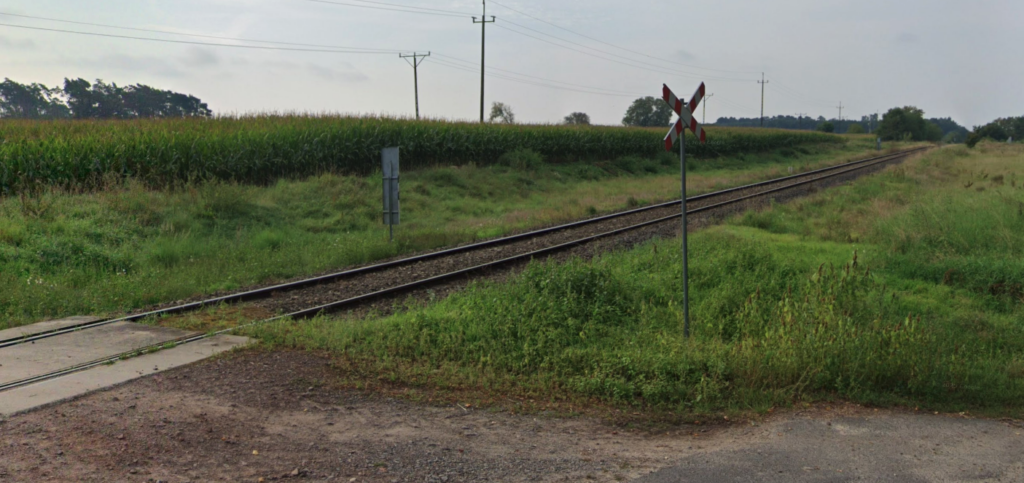
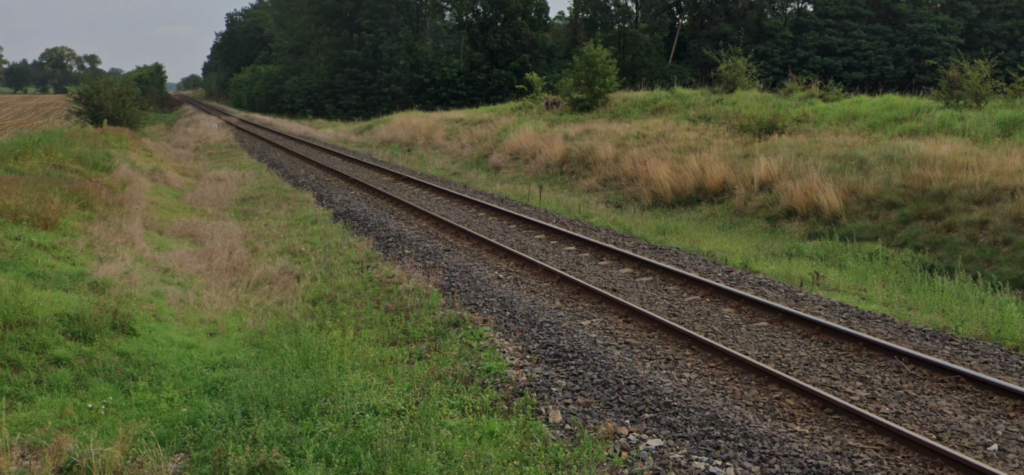
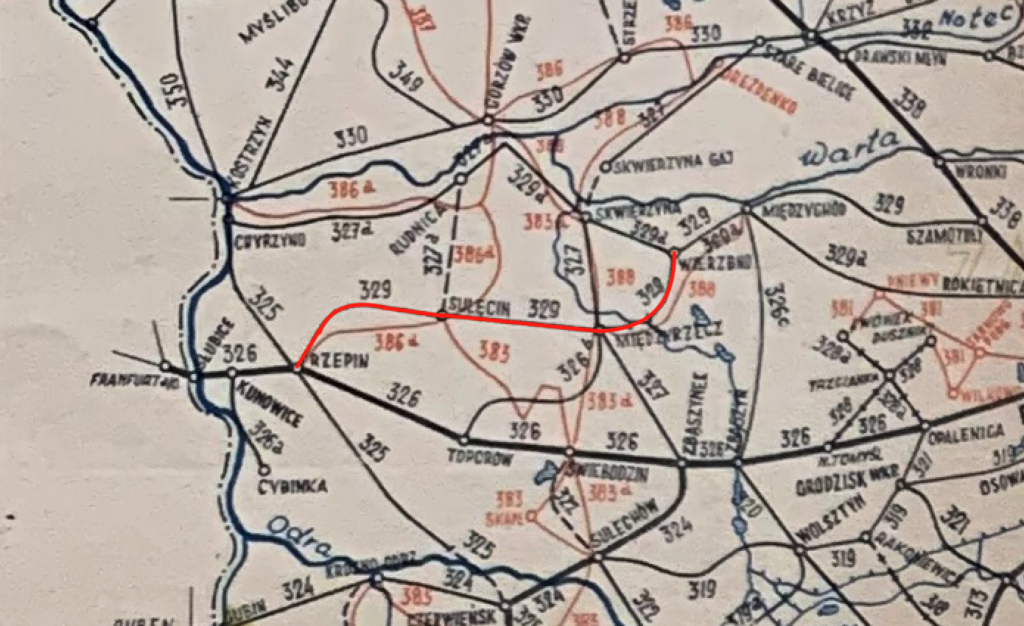
Railway Line No. 364 Rzepin – Wierzbno.
Railway Line No. 364 Rzepin – Wierzbno is a single-track line, 88.992 km long. The total length of the line is 90.718 km. The line is not electrified. Passenger traffic on this line was suspended in 1995. Passenger traffic on the Rzepin – Międzyrzecz route resumed on December 9, 2007. The route was served by rail buses. This service was suspended and reinstated several times. The last closure took place on December 15, 2013. Currently, the line serves only freight trains. The maximum train speed is 80 km/h.
Historically, LK No. 364 operated in sections. On December 1, 1887, the Wierzbno-Międzyrzecz section was opened via the KPStE (German State Railways), when this area belonged to the Germans. On June 1, 1892, the Międzyrzecz-Sulęcin section, also under the KPStE, was opened. On November 1, 1890, the Sulęcin – Rzepin section was opened, also belonging to the KPStE (Königlich Preußische Staatseisenbahnen, i.e. Royal Prussian State Railways). The aim of building the line was to connect small industrial and agricultural centers with the Oder line. On September 1, 1939, the Germans started World War II and again lost a lot of territory to the Polish-Lithuanian Commonwealth. The entire line was incorporated into the so-called Recovered Territories, and then into the Poznań Voivodeship. In the period 1975-1999, these were the Zielona Góra and Gorzów Voivodeships, and currently it is the Lubusz Voivodeship. In 1945, the bridge over the Obra River was destroyed. The bridge was repaired in 1949 and traffic was restored on the entire line..
LK No. 364 Rzepin – Wierzbno begins at Rzepin station at Platform 2 and runs eastward. There is a level crossing; DW No. 139, Juliusza Słowackiego Street. The line turns northward. Then there is a level crossing; Elizy Orzeszkowej Street. The line runs along DW No. 134, which is on the eastern side. The line runs through forests. There is another level crossing; a forest road and another level crossing. DW No. 134 branches off the line eastward. The line passes under DW No. 137. There is an Ośno Lubuskie station. There are two road crossings: Bolesława Chrobrego Street and Sulęcińska Street. Then the line turns east and passes under DW No. 134. The line re-enters the forest and runs along DW No. 137, which is on the southern side. Then there is a level crossing; DW No. 137, which crosses to the northern side of the line. The line turns south. There’s a stop in Smogory, a small village. The line turns east. The stop is Długoszyn. The line crosses a local road and Voivodeship Roads No. 137 and 138. The line crosses the Postomia River. There’s a station in Sulęcin. The line changes direction several times, but generally heads east. There are level crossings: Lipowa Boczna Street, Lipowa Street. The line re-enters the forest. The line passes through the Red Stream Valley Reserve. On the north side, the line passes Lake Postomsko. There’s a level crossing: Voivodeship Road No. 136. There’s a station in Trzemeszno Lubuskie. Behind the station, there’s a level crossing: Voivodeship Road No. 137, Poznańska Street. There are two level crossings. There are agricultural and wasteland areas. The line re-enters the forest. Nearby, on the north side, is Voivodeship Road No. 137. The line crosses Voivodeship Road No. 137. There’s a Templewo passenger stop. Before the platform, there’s a local road crossing. The Kursko passenger stop. At the stop, there’s a local road crossing. Further on, the line passes under a local road. The line enters the forest again and bypasses numerous lakes. Górzyca is a passenger stop in the middle of the forest. The line crosses the Obra River. The line enters the town of Międzyrzecz. There are several level crossings, and the line passes under the S3 motorway. The railway line from Gorzów Wielkopolski joins the line from the north. The line crosses the Obra River. Międzyrzecz is a large junction station. There are three platforms and five platform edges. After the station, the line crosses the DW No. 137 crossing and splits in three directions. The line runs eastward. Further on, there’s a local road crossing. Beyond the town, there’s a crossing; DW No. 137. The Bobrowicko passenger stop. Next, there’s a local road crossing. Bobrowicko is a small village. The line enters the forest again. Policko is a passenger stop. Policko is a small village. The line crosses the Obra River again. The line enters the forest again. Pszczew is a passenger stop, a former station. Przszczew is a small village nestled between lakes and forests, known for the Pszczewski Landscape Park. The line crosses three local streets. The line turns north. There are farmland, meadows, and forests. Zielomyśl was a passenger stop. From the west, the line is joined by a single-track line from Skwierzyna. Wierzbno station. Beyond the station, the line crosses national road no. 24, and a little further on, the Wierzbno PGNiG Expedition Terminal and the end of the line. Formerly, the line led to Międzychód.
Line mileage; Wierzbowo station, “Wi” signal box (0.00 km, elevation 67 m). LK No. 363. Zielomyśl passenger stop (4.39 km, elevation 67 m). Pszczew stop and loading bay (8.79 km, elevation 62 m). Policko passenger stop (15.64 km, elevation 53 m). Bobowicko passenger stop (19.13 km, elevation 55 m). Obrzyce siding to the heating plant (21.64 km, elevation 51 m). Międzyrzecz junction station, “Mi” signal box (22.88 km, elevation 50 m). LK No. 367, 375. Międzyrzecz drying plant, food plants siding (24.31 km, elevation 51 m). Gorzyca passenger stop (30.29 km, elevation 63 m). Kursko passenger stop and siding LK No. 375a, “Ko” signal box (34.23 km, elevation 85 m). Templewo passenger stop (37.24 km, elevation 93 m). Trzemeszno Lubuskie passenger stop and loading bay (48.00 km, elevation 136 m). Wędrzyn passenger stop (51.60 km, elevation 111 m). Kniazin branch station LK No. 414a and passing loop (55.00 km, elevation 118 m). Sulęcin stop and loading bay, “Su” signal box (58.79 km, elevation 72 m). Długoszyn passenger stop (63.51 km, elevation 131 m). Smogory stop and loading bay, “Sm” approach (67.17 km, elevation 92 m). Trześniów passenger stop (70.74 km, elevation 116 m). Ośno Lubuskie stop and loading bay, “OL” approach (76.47 km, elevation 47 m). Lubiechnia Mała passenger stop (82.61 km, elevation 60 m). Rzepin station, “Rz” approach (88.99 km, elevation 67 m). LK No. 3, 821, 822, 822a.
The Director General of the Polish State Railways (PKP) issued Notice No. KHT2-900/77/93 on December 15, 1993, announcing the decision to completely suspend freight transport on the Wierzbno-Międzyrzecz section as of January 1, 1994. Subsequent announcements followed, suspending passenger and freight traffic on other sections. There were also announcements temporarily reopening trains with speed restrictions. This was a period of dismantling railway lines due to the mismanagement of the national economy by communists, Volksdeutsche (Volksdeutsche), and Freemasons. Only in 2006 did reflection come and a program was launched to prevent social exclusion in small towns that had previously had rail service. Unfortunately, in 2023, the most famous Volksdeutsche returned to power, and the dismantling of the Polish economy, including the railways, began anew. The height of hypocrisy was the purchase of old Germanic carriages from the 1970s and 1980s and incorporating them into InterCity trains.
Operational history of LK No. 364: In 1995, passenger service was closed. On June 28, 2001, freight service was closed on the Trzemeszno Lubuskie – Sulęcin section. In July 2001, freight service was closed on the Sulęcin – Rzepin section. In May 2005, freight service was opened on the Sulęcin – Rzepin section. In November 2005, freight service was closed on the Gorzyca – Rzepin section. In February 2007, freight service was opened on the Sulęcin – Rzepin section. In December 2007, passenger service was opened on the Międzyrzecz – Rzepin section. In December 2010, passenger service was closed on the Międzyrzecz – Rzepin section. In May 2011, passenger traffic opened on the Międzyrzecz – Rzepin section. In December 2013, passenger traffic was closed on the Międzyrzecz – Rzepin section. In 2015, freight traffic opened on the Gorzyca – Trzemeszno Lubuskie section. In 2021, freight traffic closed on the Sulęcin – Rzepin section. In 2023, seasonal passenger traffic opened on the Wierzbno – Międzyrzecz section. Currently (2026), the worst condition of the tracks is on the Rzepin – Wędrzyn section. The tracks are overgrown in many places, and sometimes there are fallen trees on the tracks. However, the tracks remain intact along their entire length.
Railway line No. 364 is located in areas shaped by glacial activity during the last Pleistocene glaciation, the Baltic glaciation. The terrain is undulating, with many hills and depressions, as well as low elevations that do not exceed 250 m. Elevations range from 40 to 240 m. These areas are heavily forested, consisting primarily of pine and mixed forests. Scots pine predominates, but oaks, beeches, birches, and hornbeams also occur. The region’s main river is the Obra, a right tributary of the Warta River. The Obra is approximately 170 km long. It is a typical lowland lakeland river with a calm character. The Obra Valley is wide, flat, and marshy, with meadows, peat bogs, and oxbow lakes. For this reason, LK No. 364 is not an easy route. It frequently changes direction to more easily traverse hills, ravines, and marshy areas. The elevation difference on the line ranges from 47 m to 136 m. Construction of the Rzepin–Wietrzno railway line was not easy, as it ran through technically challenging terrain. The main challenges faced by the builders included: wetland and high groundwater levels. The line passed through the Obra River valley and its tributaries, as well as marshy areas and peat bogs. The soil was unstable, requiring: ground reinforcement, railway embankments, drainage systems, ditches, and culverts. The area was heavily forested. Before construction, it was necessary to clear a wide strip of land, remove stumps and root systems, and prepare the ground for the embankments. The area was sparsely urbanized. Material transport was difficult, which is why a temporary narrow-gauge railway was used. Most of the earthworks were done by hand or by horses. The first rolling stock came from factories: Henschel & Sohn (Kassel), one of the largest locomotive manufacturers in Germany; Borsig (Berlin), a very popular supplier of rolling stock for the Prussian Railways; and Schwartzkopff (Berlin).
Two viaducts were built on the line for roads passing under the line. The viaducts are constructed of yellow brick and have arched vaults. However, the largest is the brick bridge; the Red Stream Springs. The line also features concrete viaducts, for example, over Lipowa Street in Sulęcin. There are also concrete viaducts over the line on roads undergoing renovation, such as DW No. 137.
The line features three bridges over the Obra River, which it crosses three times. One of the three bridges on the line over the Obra River is the largest engineering structure and is named after Saint Wojciech. The bridge is a truss bridge with a carriageway at the top, and its span is 41 meters long. The railway line also crosses the Postomia River.
The station buildings along the line were constructed according to similar, but not identical, patterns. Most station buildings were constructed of yellow brick with the addition of red brick for decorative facades. Most buildings are two-story with a developed attic. The roofs are gabled with a medium slope. Initially, they were covered with sheet metal. Almost all of the historic stations are occupied.
The station at Wierzbno station was built of yellow brick with the addition of red brick. It is two-story with a porch facing the station level. The upper floor houses an apartment for a scout. Downstairs, there was a ticket and baggage office, a waiting room, a signal box, and a telephone exchange. The attic was usable, though not very high, with a medium-pitched gable roof. The building has six axles. A railway warehouse was added to the station building. The building still exists and is occupied. It houses a fish fryer. Shaped semaphores were installed to control railway traffic, and they are still operational. The station has three tracks. The rails are laid on wooden or reinforced concrete sleepers.
Pszczew station also has a station building constructed of yellow brick with a touch of red. It has two stories and a usable attic. The building is four-axle and occupied. It is located with its shorter wall facing the tracks. A railway warehouse building stands adjacent. Freight wagons converted into holiday cottages stand on a siding at Pszczew station.
Policko is currently a passenger station, but it was once a small station with a loading bay. The building is constructed of yellow brick, with four aisles and two stories, and a usable attic. Its shorter side faces the tracks, just like the station at Pszczew. There is an adjacent outbuilding and a warehouse. The station is occupied.
The station in Miedzyrzecz is built in a similar style to the previous ones, but is much larger. It has 11 aisles, a protruding brick staircase, and a representative entrance with a hall and a terrace above the entrance. The lower windows and doors are topped with a semicircle. A few years ago, the single-story annex on the western side was demolished. The annex on the eastern side remains. The station has three platforms, five platform edges, and a tunnel under the tracks for passengers. Two water towers remain. The railway bridge over the Obra River has three tracks. It is one of three bridges on the Obra River line and is the largest engineering structure, named after Saint Wojciech. It is a truss structure, with a carriageway at the top, and the span is 41 meters long.
Gorzyca Railway Station. The building bears the inscription “Gorzyca Wielkopolska.” The building was built in the same style as the previous ones, but it is the smallest: four by two axles. The attic is usable. The building is occupied. A railway warehouse is adjacent to the building.
Kursko, although a stop, also has a railway station building. The building is the same size as the one in Gorzyca. A railway warehouse is also adjacent, but it is constructed of half-timbered brick.
Templewo was a former station. It has a station building built in the same style, but larger. It has four by three axles and a developed attic. The building is occupied. There is an octagonal water tower, also built of yellow brick.
Trzemeszno Lubuskie Station no longer has its original station. It was demolished. One of the buildings, a small, windowless barracks, was a bus shelter. The only sign on the building is the station name: Trzemeszno Lubuskie. Three small railway buildings remain, but they are abandoned. The station has three tracks. A siding leads from the station to a military facility: Garnizon Wędrzyn.
In Sulęcin, a water tower has been preserved. The locomotive shed buildings have been abandoned. A warehouse is also abandoned. Two residential blocks are in very good condition, occupied. One of them was the station building.
Smogory is a passenger stop and a former cargo hold. The station building with its signal box, built of red brick with yellow bricks as decorative elements on the facade, has survived. The building is small, single-story with a usable attic. The building is abandoned. The windows are boarded up with OSB boards. Ośno Lubuskie is a former passenger stop and cargo hold. The station building with an adjacent warehouse and annex has survived. The building is a multi-story structure, plastered gray, and occupied. Other railway structures have also been preserved. Lubiechnia Mała is a former passenger stop with a small station building. The station is single-story with an attic. The building does not serve a railway function, but is occupied.
Written by Karol Placha Hetman