Dębica 2026-05-21
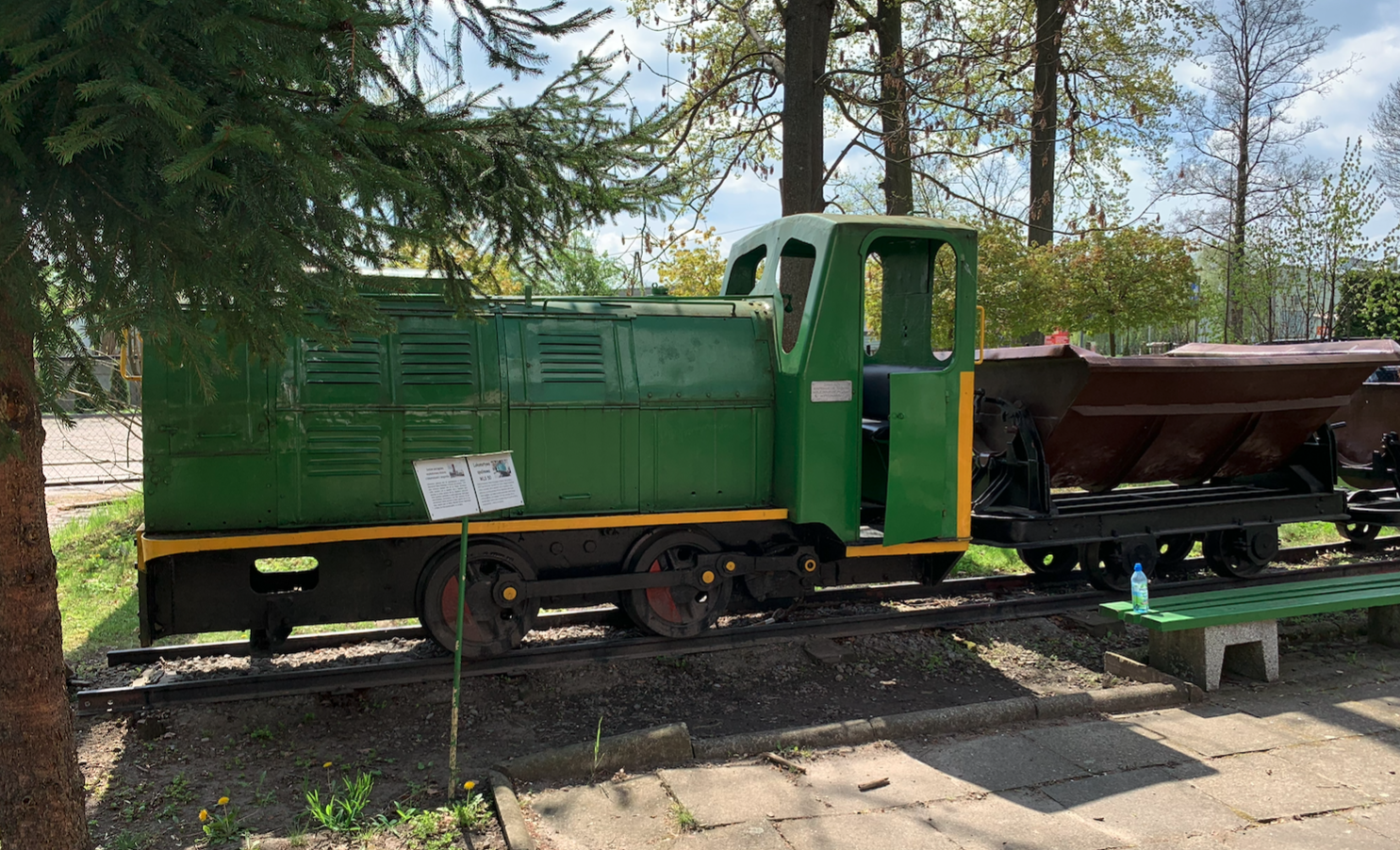
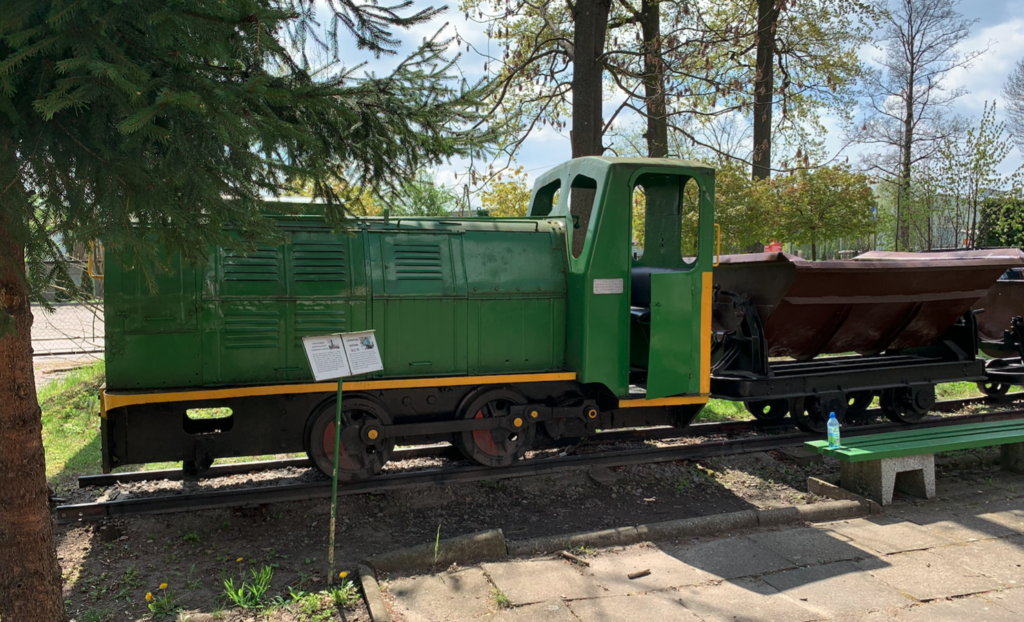
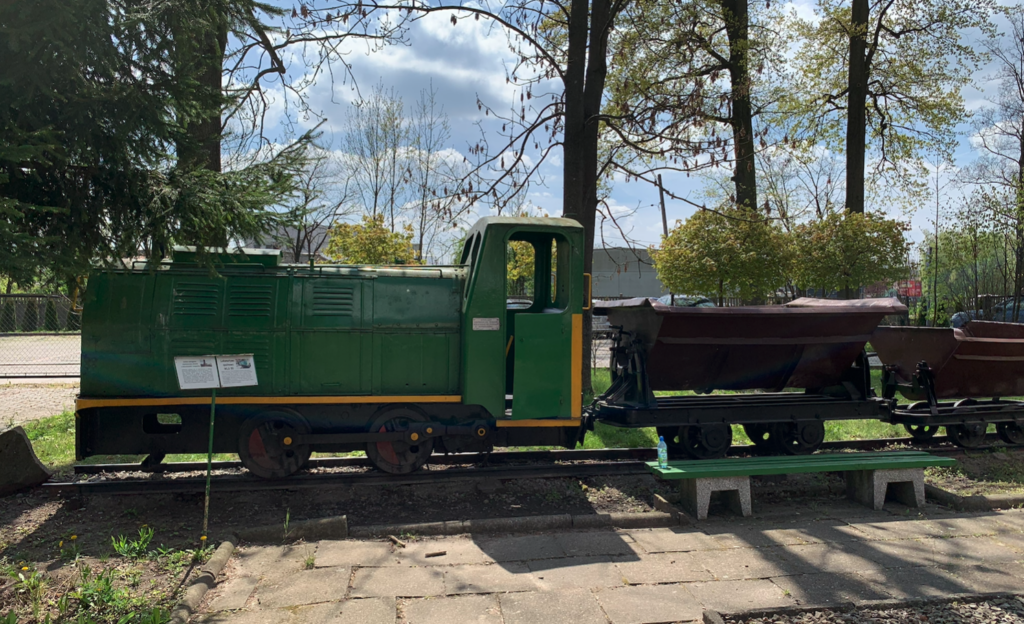
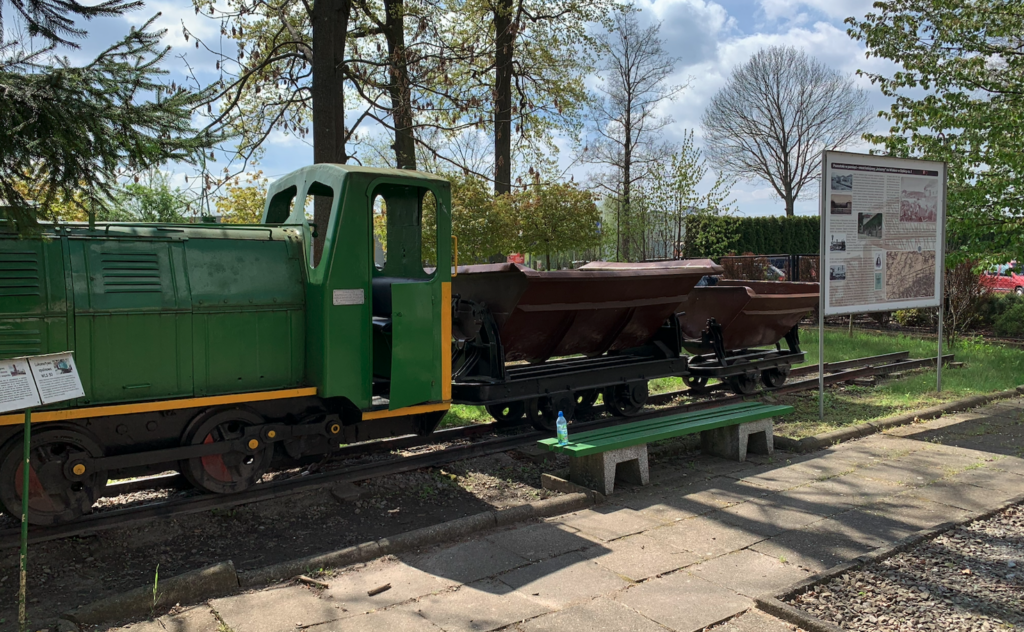
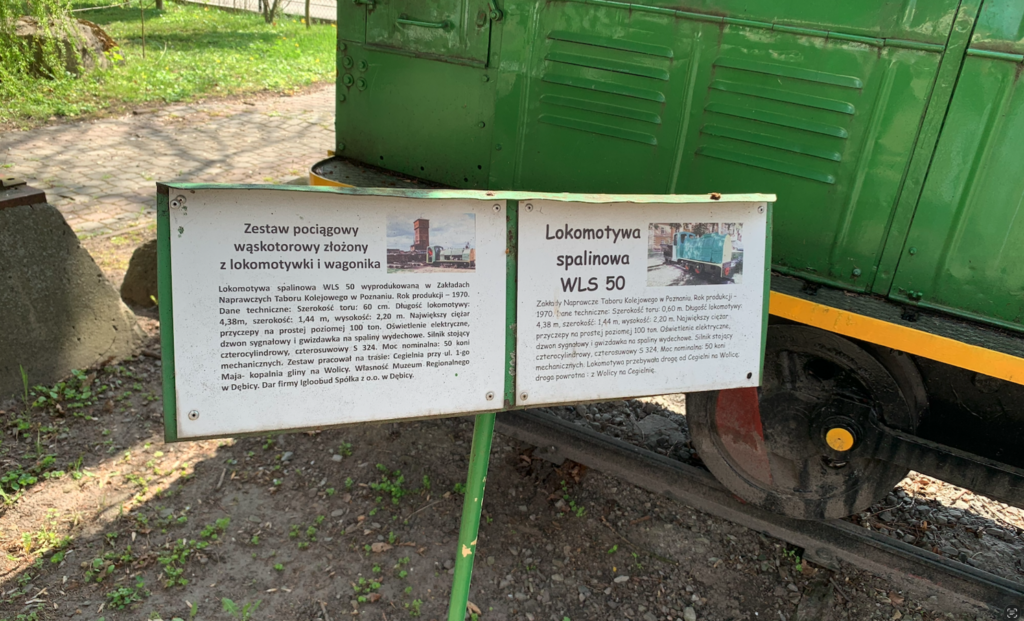
Diesel locomotive WLs50 at the Regional Museum in Dębica.
Geographic coordinates: 50.058N 21.409E.
The WLs40 and WLs50 diesel locomotives are Polish narrow-gauge diesel locomotives with a track width of 600 m, designed for industry (mining, construction, large industrial plants) and for narrow-gauge commuter railways. The designation WLs40 stands for Narrow-Gauge Diesel Locomotive, with a power output of 40 hp. A related design was the standard-gauge Ls40 locomotive.
The WLs40 locomotive was developed at the FabLok factory in Chrzanów in 1950. It was based on the pre-war 1DK diesel locomotive used in mines. The 1DK was a locomotive built under license from Deutz. The WLs40 locomotive was equipped with a Polish four-cylinder S-64L diesel engine, rated at 40 hp, manufactured in Andrychów. It was equipped with a four-speed L8 mechanical gearbox. The engine was started by an electric starter or a crank.
Production of WLs40 locomotives took place in Warsaw, and later in Poznań. By 1971, 883 locomotives had been built. The WLs50 locomotive, featuring a 50 hp S324HL engine, was also developed. These locomotives were produced from 1958 to 1975. A total of 1,090 WLs50 locomotives were built. The WLs50 locomotive on display at the Regional Museum in Dębica was manufactured at the Railway Rolling Stock Repair Works in Poznań in 1970. The locomotive and its carriages operated on the route from the brickyard on 1 Maja Street to the clay mine in Wolica. The locomotive was donated by Igloobud Spółka z o.o. in Dębica as a gift to the museum.
T-T locomotive WLs40/50 specifications:
Axle configuration B. Track gauge 600 mm. Service weight 7,000 kg. Length 4.38 m, width 1.44 m, height 2.20 m. Wheel diameter 0.55 m. S64L (40 HP) or S324HL (55 HP) combustion engine. The engine was a four-cylinder, vertical diesel engine with a displacement of 7,240 cubic cm. Cylinder diameter 120 mm. Piston stroke 160 mm. Four-speed mechanical transmission. Fuel tank capacity 136 liters. This was a fairly typical Polish industrial-railway engine from Andrychów, used for decades on sidings and narrow-gauge railways. Design speed 17 km/h. Maximum train weight 100,000 kg. Electric lighting. A signal bell and whistle powered by the engine’s exhaust gases. Depending on the version, the engine had 50 hp, 60 hp, or 75 hp. The most common engines were 75 hp at 1,500 rpm. Locomotives with the most powerful engine were designated Ls60 and were used on standard gauge tracks of 1,435 mm.
Written by Karol Placha Hetman