Dęblin 03-11-2026
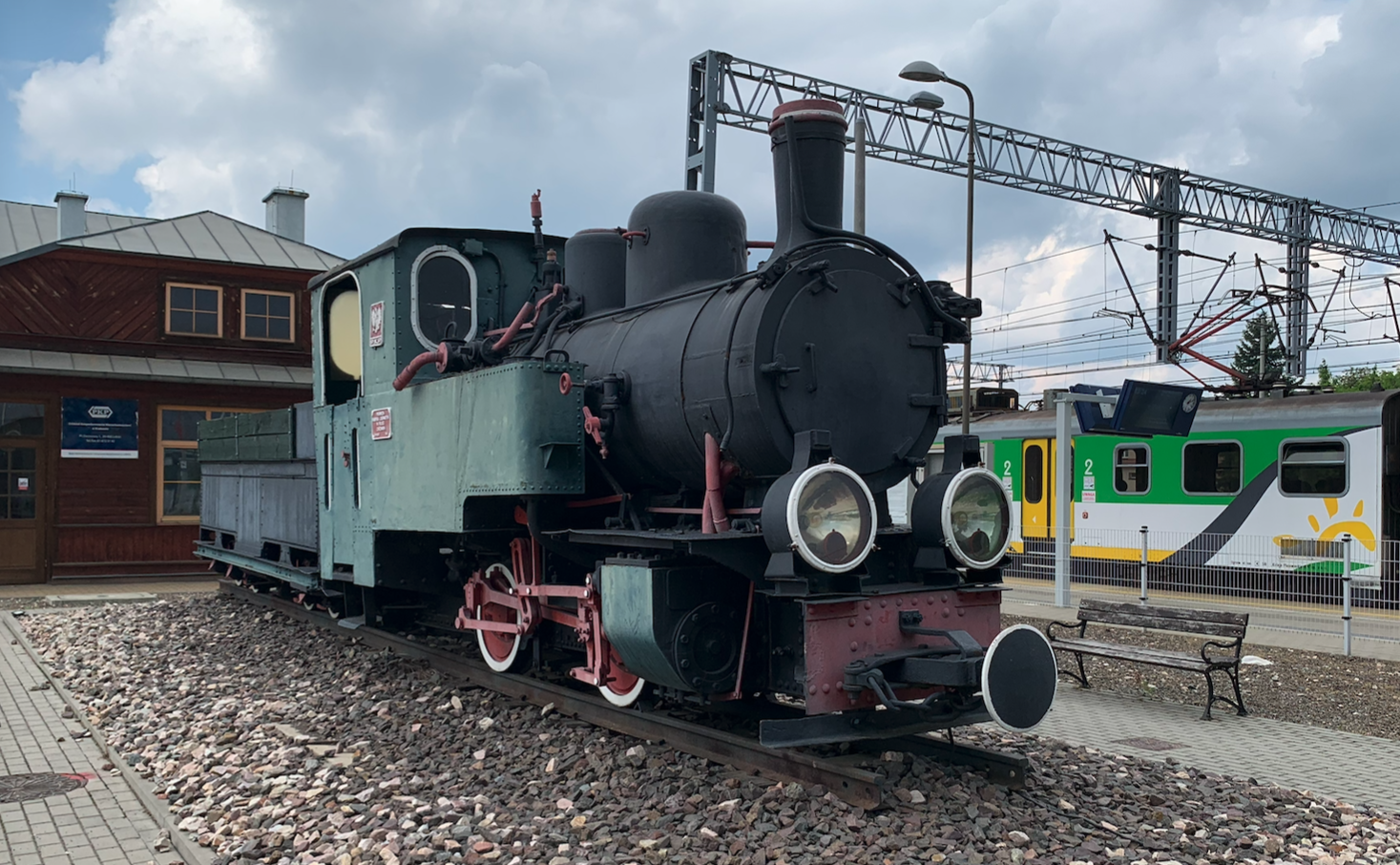
Narrow-gauge Ryś steam locomotive, PKP T49 series.
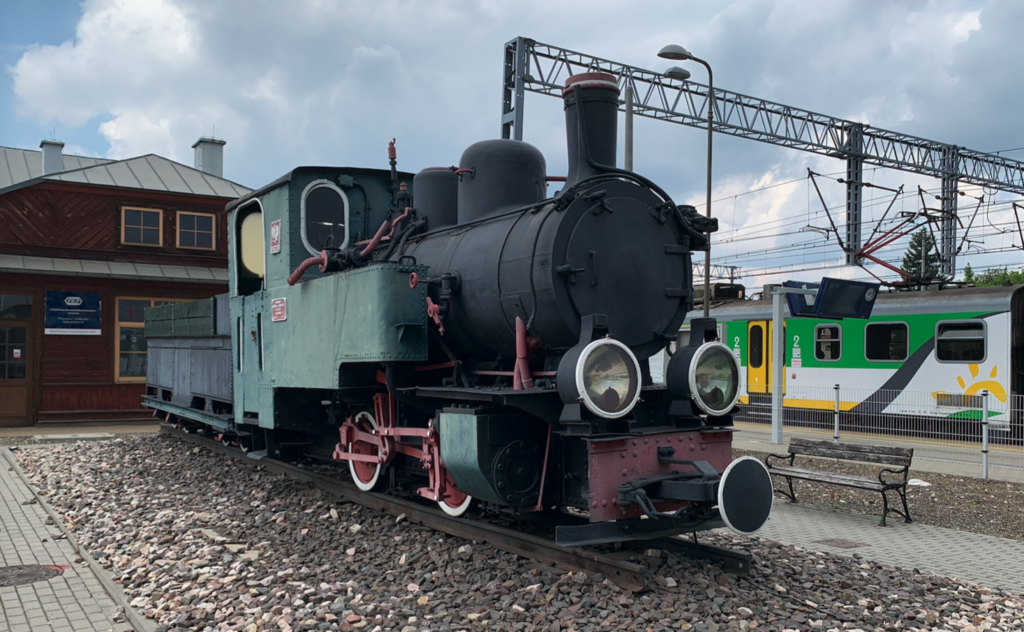
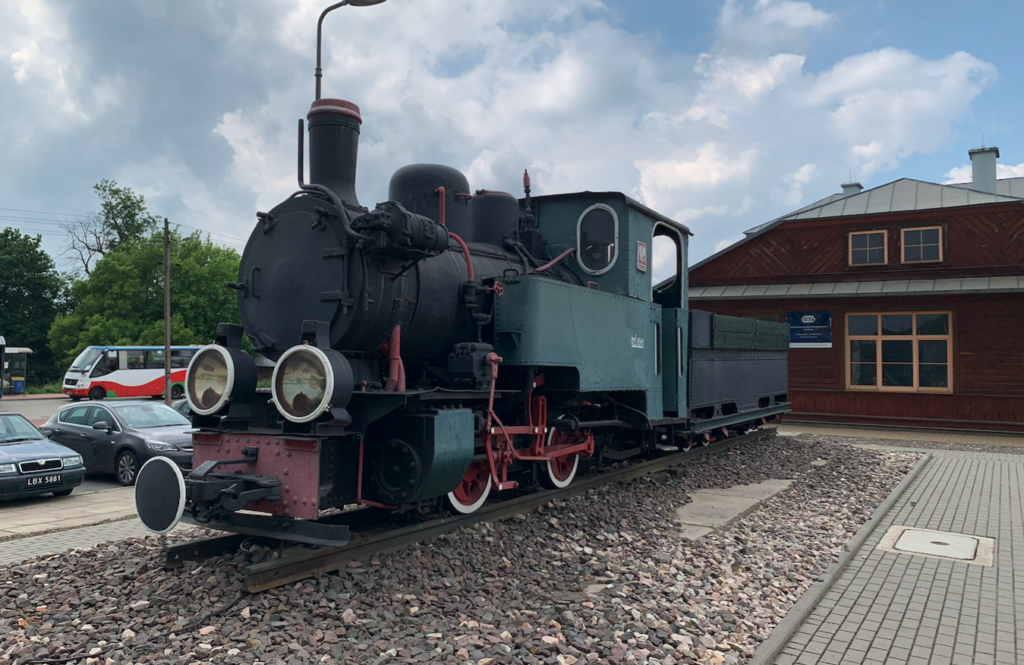
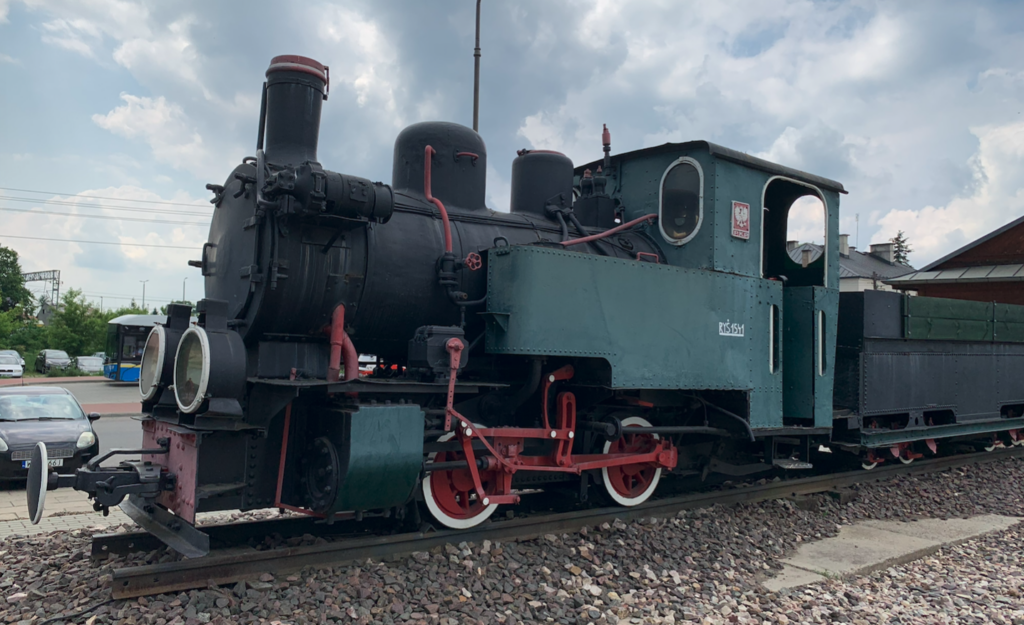
The Ryś Narrow Gauge Steam Locomotive is a Polish steam locomotive produced in the period 1946-1950, at the First Fablok Locomotive Factory in Chrzanów. The locomotive was developed on the basis of the Germanic Ries steam locomotive, which was developed at the Henschel factory. At the request of the German occupier, in the period 1940-1941, 57 copies were built in Chrzanów, with a track width of 600 mm. At that time, the factory in Chrzanów was incorporated into the Henschel concern. After World War II, in 1946, the factory in Chrzanów resumed the production of these locomotives for the needs of Polish industry; for forestry, agricultural and factory railways. The name of the locomotive was changed to the Polish name Ryś, and in the documents it was given the PKP designation series T46. The basic variant were vehicles built for a track with a gauge of 600 mm. But versions were also built for tracks with a width of 750 to 785 mm. About 40 locomotives were built for 750 mm track. 5 units were built for 600 mm track, which were equipped with a newer boiler. These locomotives received the T49 series designation.
Ryś locomotives were also exported to other countries. The first foreign customer was Yugoslavia, which ordered 10 copies, for a 760 mm wide track. The locomotives received a two-axle tender, and the boiler was adapted to be fired with low-calorie lignite. Lignite (or xylit) is the youngest variety of brown coal, formed from peat under low pressure. It is characterized by a well-preserved wood structure and a carbon content of 60-75%. In 1950, several locomotives were bought by Romania, for 750 mm track.
Based on the Ryś locomotive, a locomotive called Las was built. The main difference was the addition of a third drive axle.
Several Ryś locomotives have been preserved in Poland; 6 locomotives for 750 mm track, 2 locomotives for 785 mm track, 5 locomotives built during World War II. There are no active locomotives in Poland and they are inactive exhibits.
Ryś locomotives have a B-axis system, with twin engines, the boiler is powered by saturated steam (Bn2t). The mechanic’s booth is open, but equipped with doors on the sides and in the rear wall of the booth. The locomotive takes 0.5 tons of coal and 2.5 m3 of water. Boiler with a semi-radiant stand and equipped with a steel firebox. At the top of the boiler there is a steam collector and a sander, which is activated manually. Initially, boilers were used almost identical to those in Ries’ locomotives. They were manufactured in the Sosnowiecka Boiler Factory. In 1948, the boiler was modernized and received a lower steam collector. The production of these boilers was undertaken at the Toruń Boiler Factory and at the Warsaw Industrial Equipment Plant. The boiler was powered by two Friedman type injectors. The refuge was built of 10 mm thick sheets and was connected by welding. The locomotive’s running system allows it to overcome curves with a radius of 18 m. The twin steam engines are equipped with a flat slider. Heusinger type steam distributor. The steam locomotive received mechanical brakes on both axles, which were activated by a lever. During service, the brakes were converted to steam brakes.
Written by Karol Placha Hetman