Poznań 2022-09-02
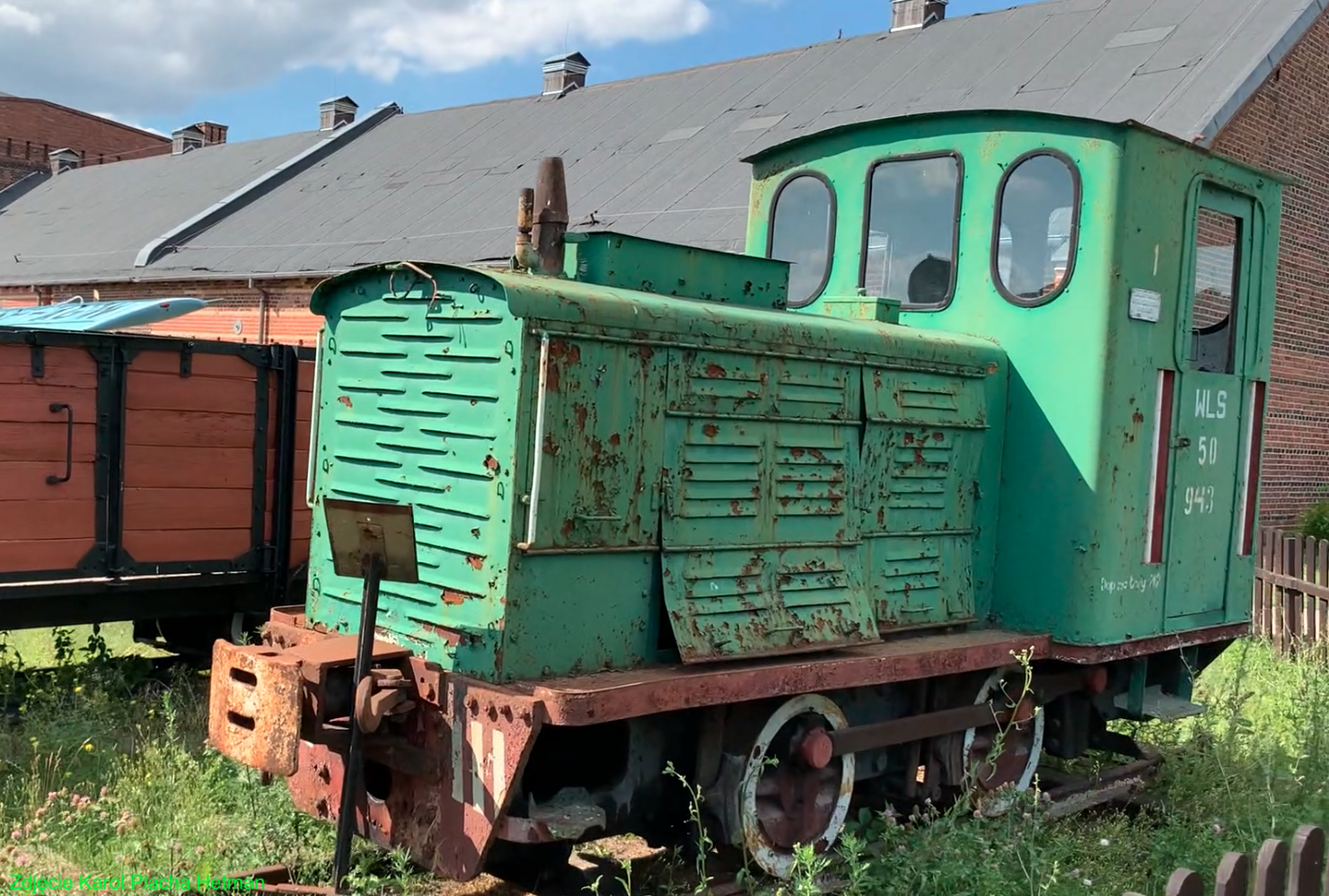
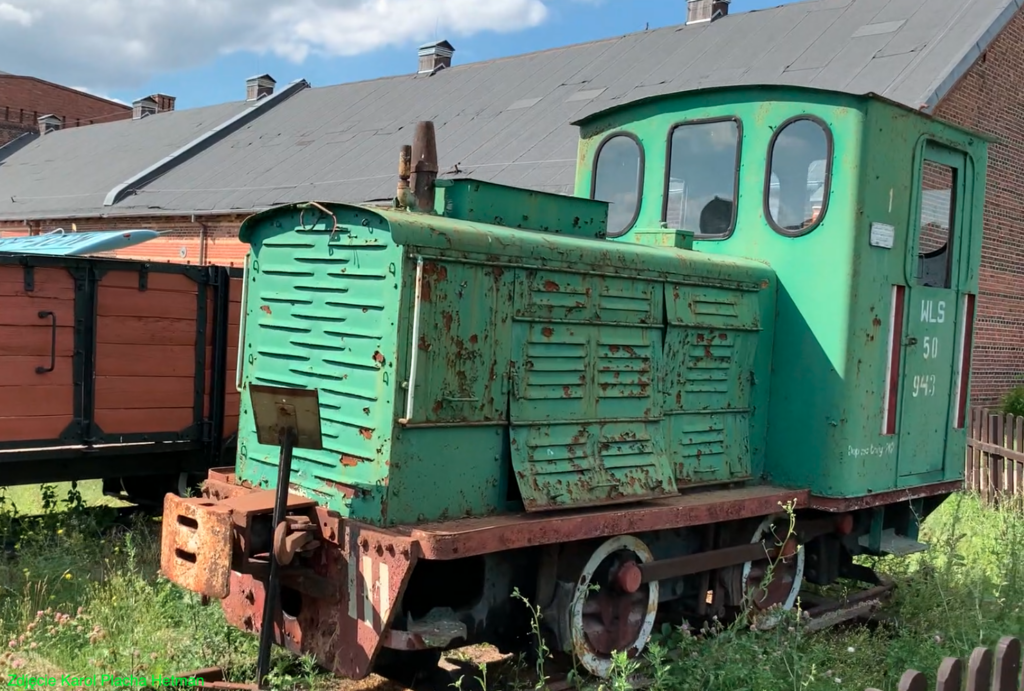
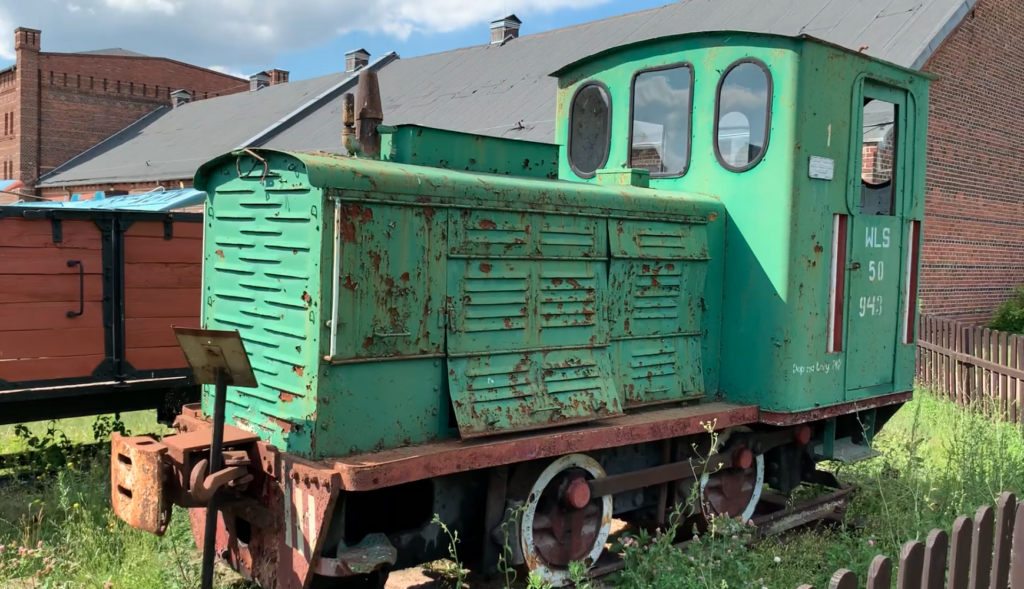
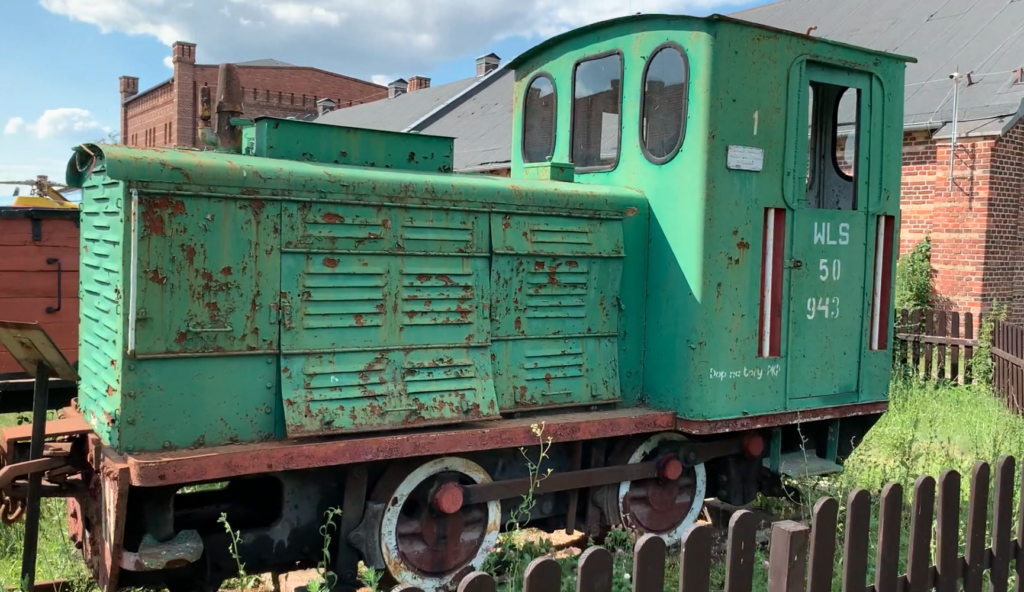
Diesel locomotive WLs50-943 at the Museum of Agriculture in Szreniawa.
National Museum of Agriculture and Agri-Food Industry in Szreniawa.
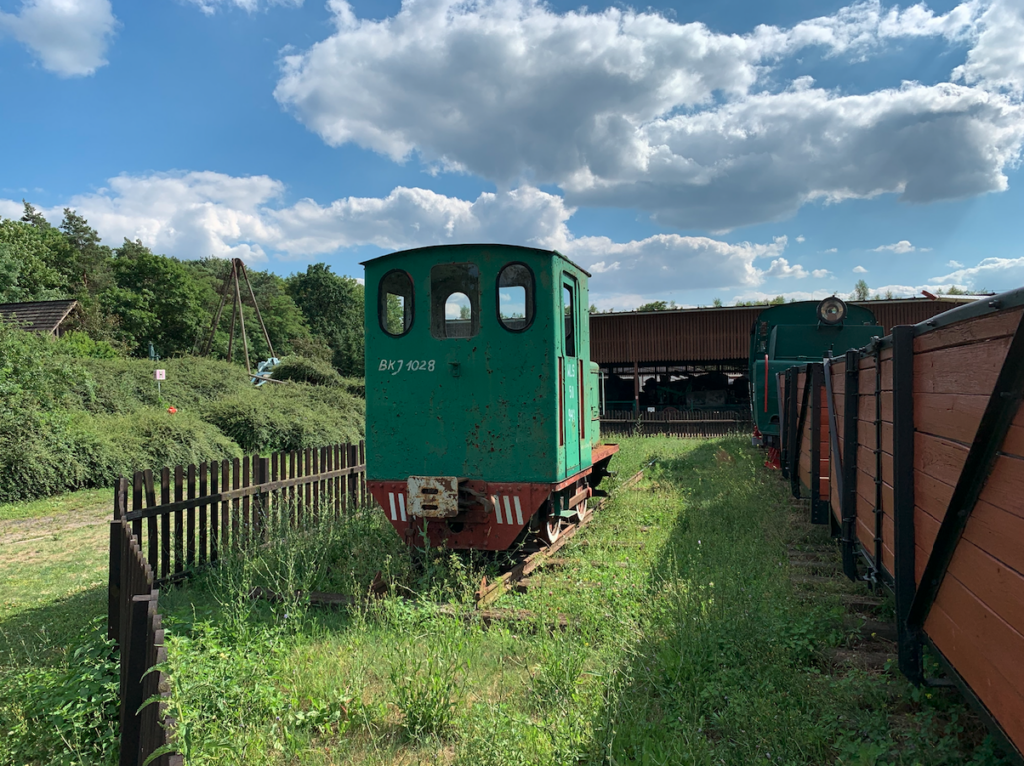
Geographic coordinates: 52.315N 16.797E.
The WLs40 and WLs50 diesel locomotives are Polish narrow-gauge diesel locomotives with a track gauge of 600 m, designed for industry (mining, construction, large industrial plants) and for narrow-gauge commuter railways. The designation WLs40 stands for Narrow Gauge Diesel Locomotive, with a power output of 40 HP. A related design was the standard-gauge Ls40 locomotive.
The WLs40 locomotive was developed at the FabLok factory in Chrzanów in 1950. It was based on the pre-war 1DK diesel locomotive used in mines. The 1DK unit was a locomotive built under license from Deutz. The WLs40 locomotive was equipped with a Polish four-cylinder S-64L diesel engine, with a nominal power output of 40 HP, manufactured in Andrychów. It was equipped with a four-speed L8 mechanical gearbox. The engine was started by an electric starter or a crank.
Production of the WLs40 locomotives took place in Warsaw, and later in Poznań. By 1971, 883 locomotives had been built. The WLs50 locomotive was also developed, with a 50 hp S324HL engine. These locomotives were produced from 1958 to 1975. A total of 1,090 WLs50 locomotives were built.
T&T data for the WLs40/50 locomotive:
Axle configuration B. Service weight 7,000 kg. Length 4.38 m. Width 1.44 m. Height 2.20 m. Wheel diameter 0.55 m. S64L (40 HP) or S324HL (55 HP) combustion engine. Four-speed mechanical gearbox. Fuel tank capacity 136 litres. Design speed 17 km/h.
Written by Karol Placha Hetman