Ostrów Wielkopolski 2026-04-29
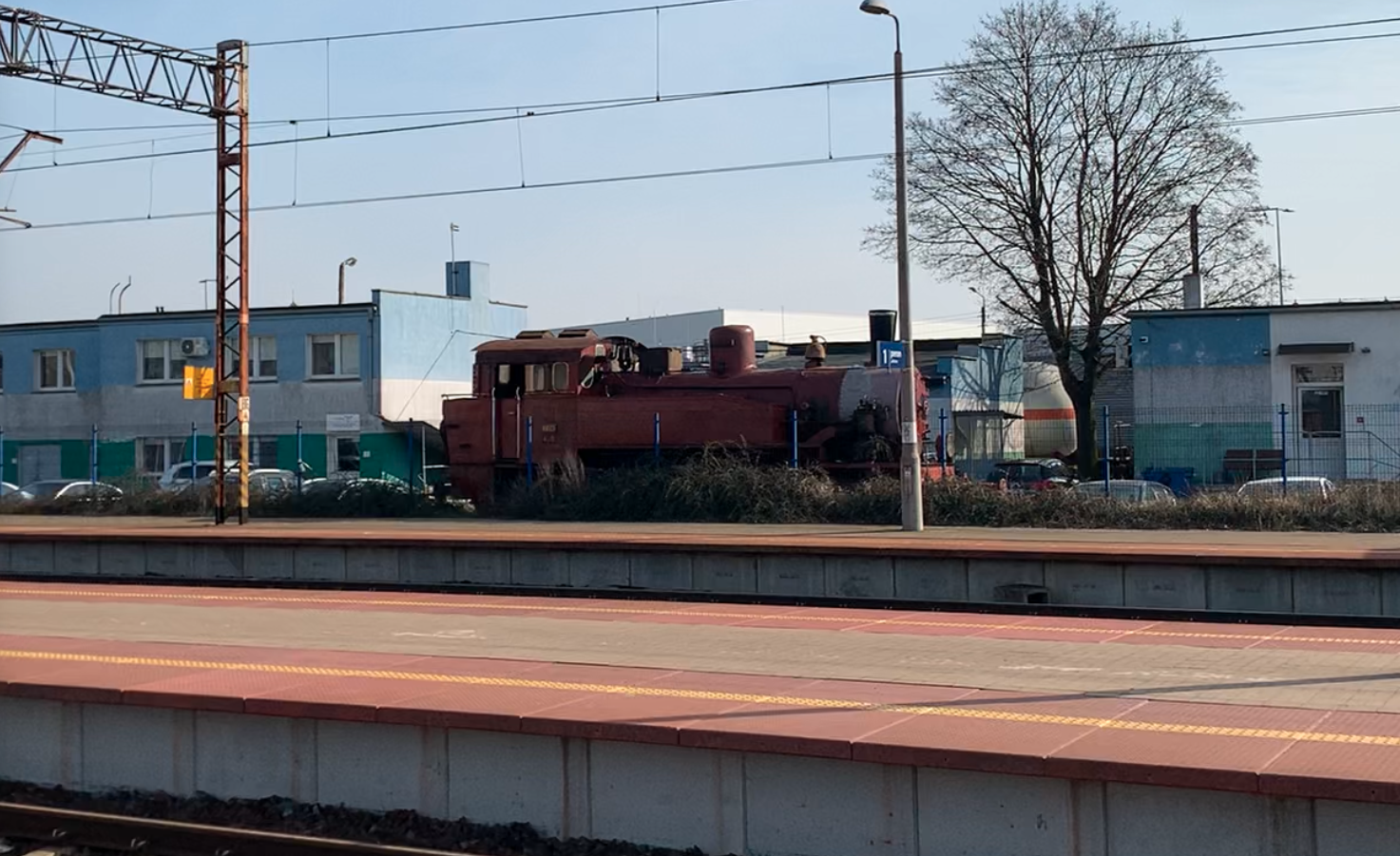
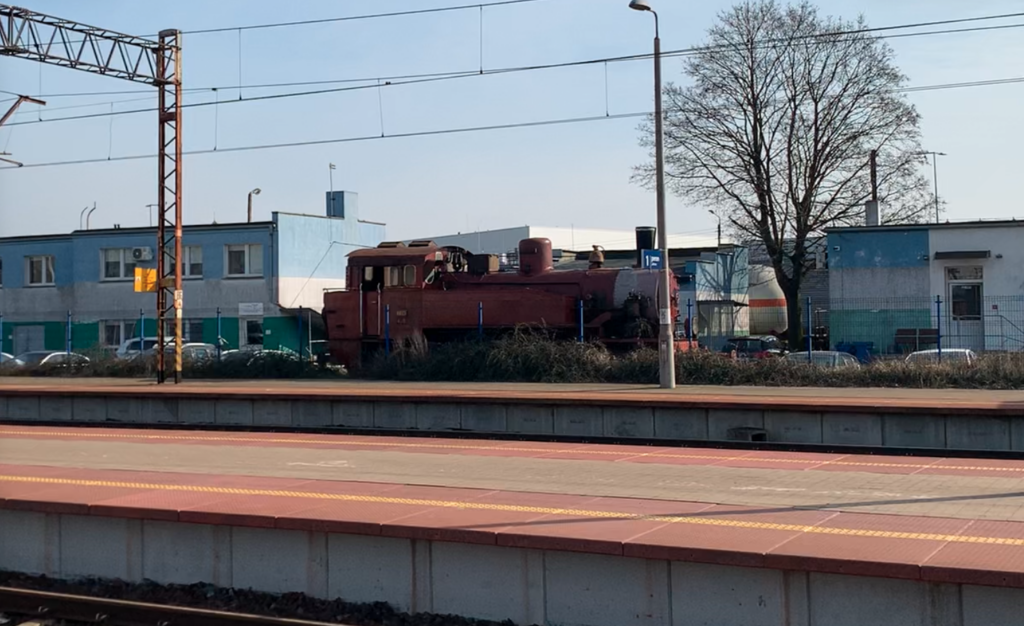
Steam Locomotive TKi3-120.
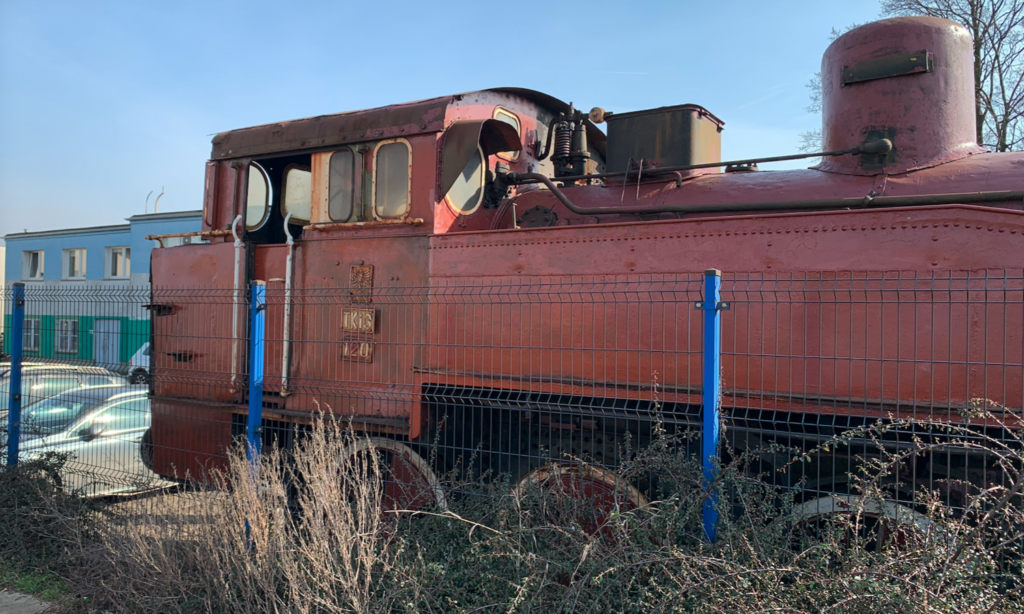
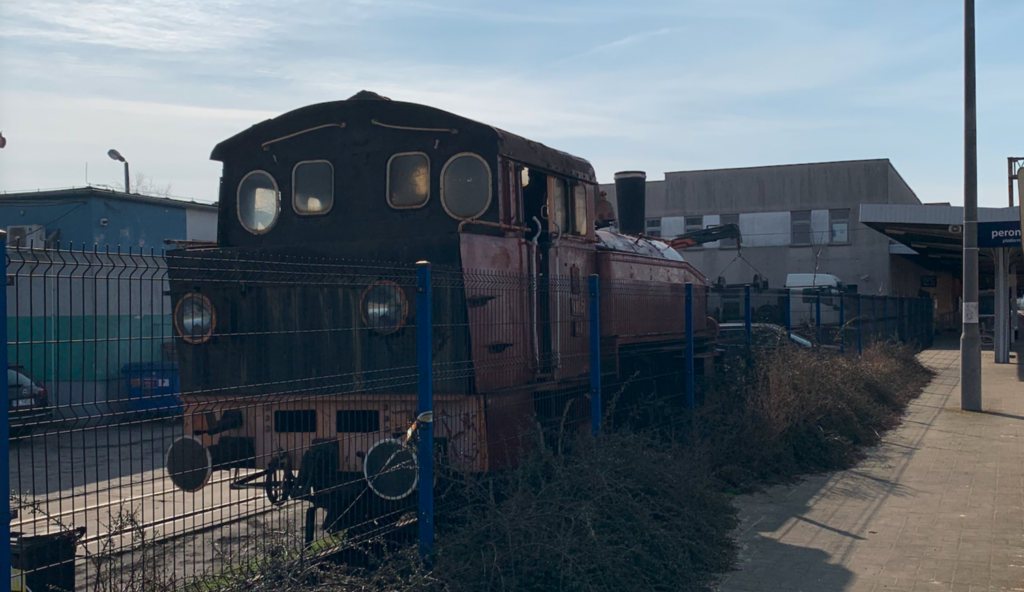
The TKi3 steam locomotive was a steam locomotive used in Poland. The locomotive had the Prussian designation T9-3, and later the Germanic designation 91-3-18. The locomotives were manufactured by Henschel, Union Gießerei Königsberg (Gdańsk), Jung, and others. The locomotive was a universal tank locomotive and was produced between 1901 and 1914. Over 2,200 units were built, primarily for the Royal Prussian Railway Administration, but also for the Alsace-Lorraine Railway and other private railways. Other sources indicate that 2,055 or 2,060 units were built.
TKi3 locomotives were used for light passenger and freight trains weighing up to 400-500 tons, primarily on local lines and short distances of up to 50 km. These were short routes, but with challenging route profiles. TKi3 locomotives were also used for shunting at large stations and plant sidings. TKi3 locomotives were also operated in the partitioned Poland, operating in Poznań, Gdańsk, Katowice, and Wrocław. During the Great War, following the front, TKi3 locomotives found their way onto the tracks of the Moscow Partition and operated, for example, in Skierniewice and Warsaw. In 1920, as part of war reparations, the Reborn Polish Republic received 320 locomotives, designated TKi3 by the Polish State Railways (PKP). These locomotives operated in all PKP directorates.
After World War II, in 1945, 213 locomotives remained in PKP. From the late 1940s, the locomotives were gradually written off. The main reason was the locomotive’s saturated steam operation. The boiler lacked a superheater, making the vehicle uneconomical. Furthermore, there was a tendency to assemble long and heavy trains for heavy steam locomotives. Some locomotives were transferred to sidings at industrial plants, steelworks, mines, and power plants. Several dozen were converted into fireless locomotives for chemical plants. The last PKP TKi3 series locomotive was retired in 1969. TKi3 locomotives operated in industry until 1979. Five of this type remain in operation in Poland to this day. According to available information, the locomotives operated by PKP: 1947 – 213 units; 1950 – 202 units; 1955 – 165 units; 1960 – 71 units; 1965 – 46 units.
The TKi3 locomotives were favored by railway workers. They ran smoothly at their maximum speed. The locomotives had a Krauss-Helmholtz bogie at the front, connecting the trailing axle to the first coupled axle via a drawbar. The pivot pin was positioned so that the coupled axle had greater lateral movement (27 mm) than the trailing axle (20 mm). This improved the first coupled axle’s contribution to the locomotive’s steering when traversing curves. The TKi3 locomotive’s water tanks were larger than those of its predecessors, allowing for a range of 70-100 km.
Several dozen TKi3 locomotives were converted into fireless locomotives for chemical plants. The drive system was identical to that of standard locomotives. A pressure tank for steam was installed in place of the boiler. The tank had a diameter of 1.80 m and a length of 7.65 m, with a capacity of 12 m3. When starting the locomotive, the tank was partially filled with water and then charged with steam from the plant’s stationary boiler room. The tanks were manufactured at ZNTK Wrocław and at the boiler factory in Sosnowiec.
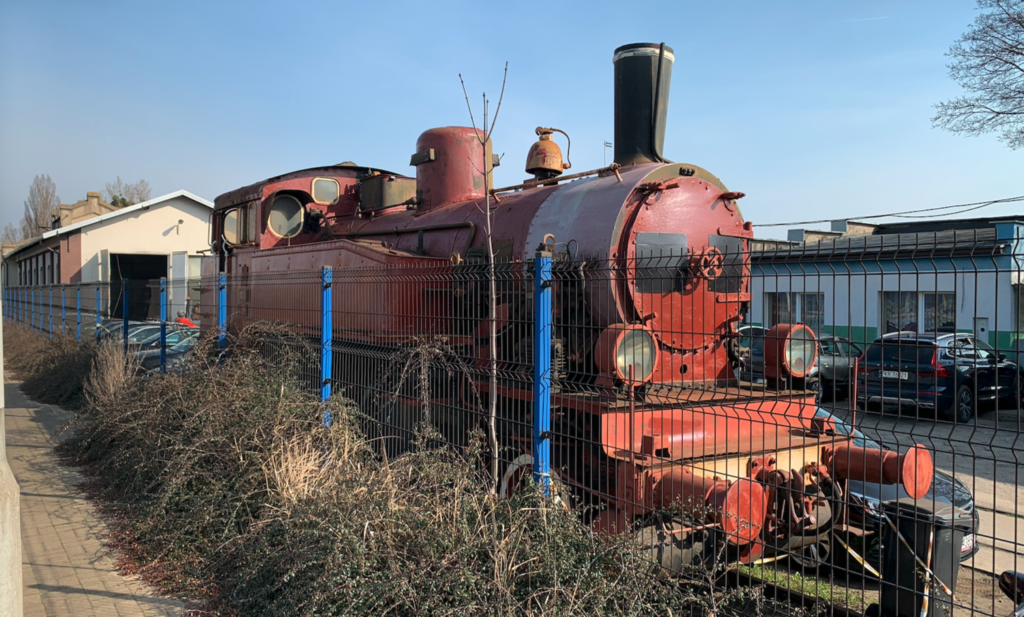
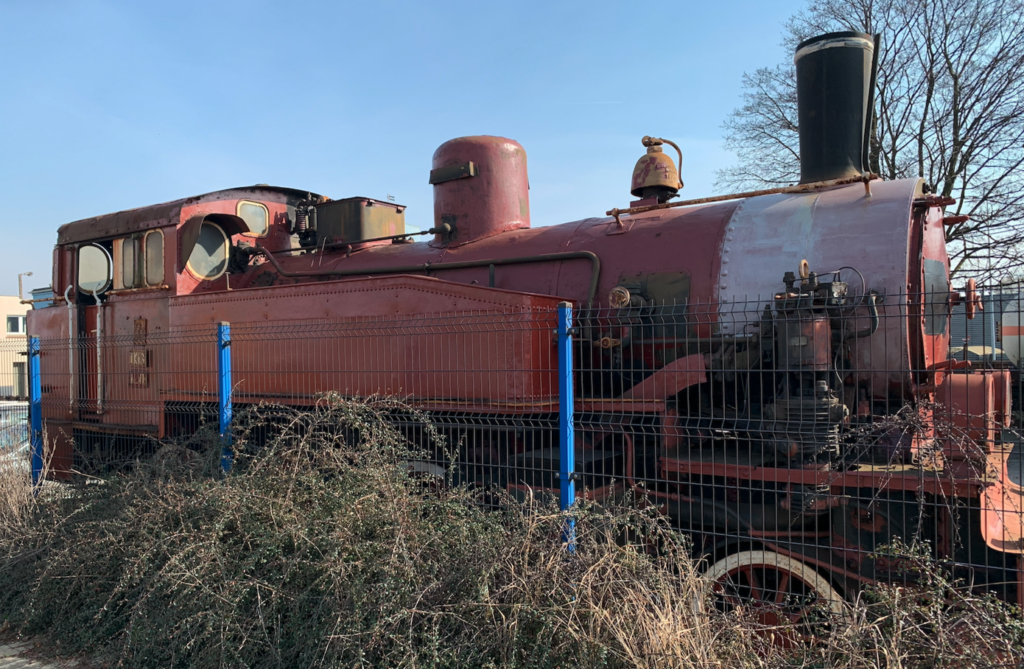
Steam locomotive TKi3-120.
Germanic type T9\3 (KPEV). Track gauge: 1434 mm. Axle and motor configuration: 1’Cn2t. Serial number: 2110. Year of manufacture: 1914. Subsequent locomotive designations: KPEV: Posen 7346, Osten 7346 (from 1920). DRB: 91 1790 (from 1925). First boiler: Union-Gießerei, Lokomotivfabrik & Schiffswerft, Königsberg. Serial number: 2110. Year of manufacture: 1914. Current boiler: Henschel & Sohn, Kassel. Serial number 7175. Year of manufacture 1905. Water boilers without superheater, operating on saturated steam.
Service history: From 1914, KPEV. From 1920, DRB. From 1945, in service with PKP. From 1947, Poznań Główny Towarowy. From 1947, Wągrowiec. From 1948, Gniezno. From 1953, Zbąszynek. From 1957, Leszno. From March 1962, Żagań. From September 1962, Metal Works in Szprotawa, leased. From 1963, Leszno. From 1964, Ostrów Wielkopolski. In May 1966, the locomotive was withdrawn from service. In August 1966, it was removed from the inventory. In 1978, the locomotive was transferred to Nowe Skalmierzyce. In 1987, it was transferred to Ostrów Wielkopolski. After renovation, it was placed on display as a technical monument. In 2026, it was undergoing another renovation.
Painting: The locomotive was painted black with red accents. The water boxes were painted green. The driver’s cab sides were painted green. The wheels and trusses were painted red with white rims.
TKi3 steam locomotive specifications:
Axle configuration: 1-3-0, 1’C. Track gauge: 1435 mm. Boiler pressure: 12 atm. The boiler has no superheater. Boiler heating area: 107 m². Grate area: 1.53 m². Twin-cylinder engine. Rated power: 470 hp (345 kW). Drive wheel diameter: 1.35 m. Rolling wheel diameter: 1.00 m. Design speed: 65 km/h. Tractive effort: 8,900 kg. Service weight: 59,900 kg. Coal capacity: 2,000 kg. Water supply 7 m3. Welded or riveted water boxes.
Written by Karol Placha Hetman